

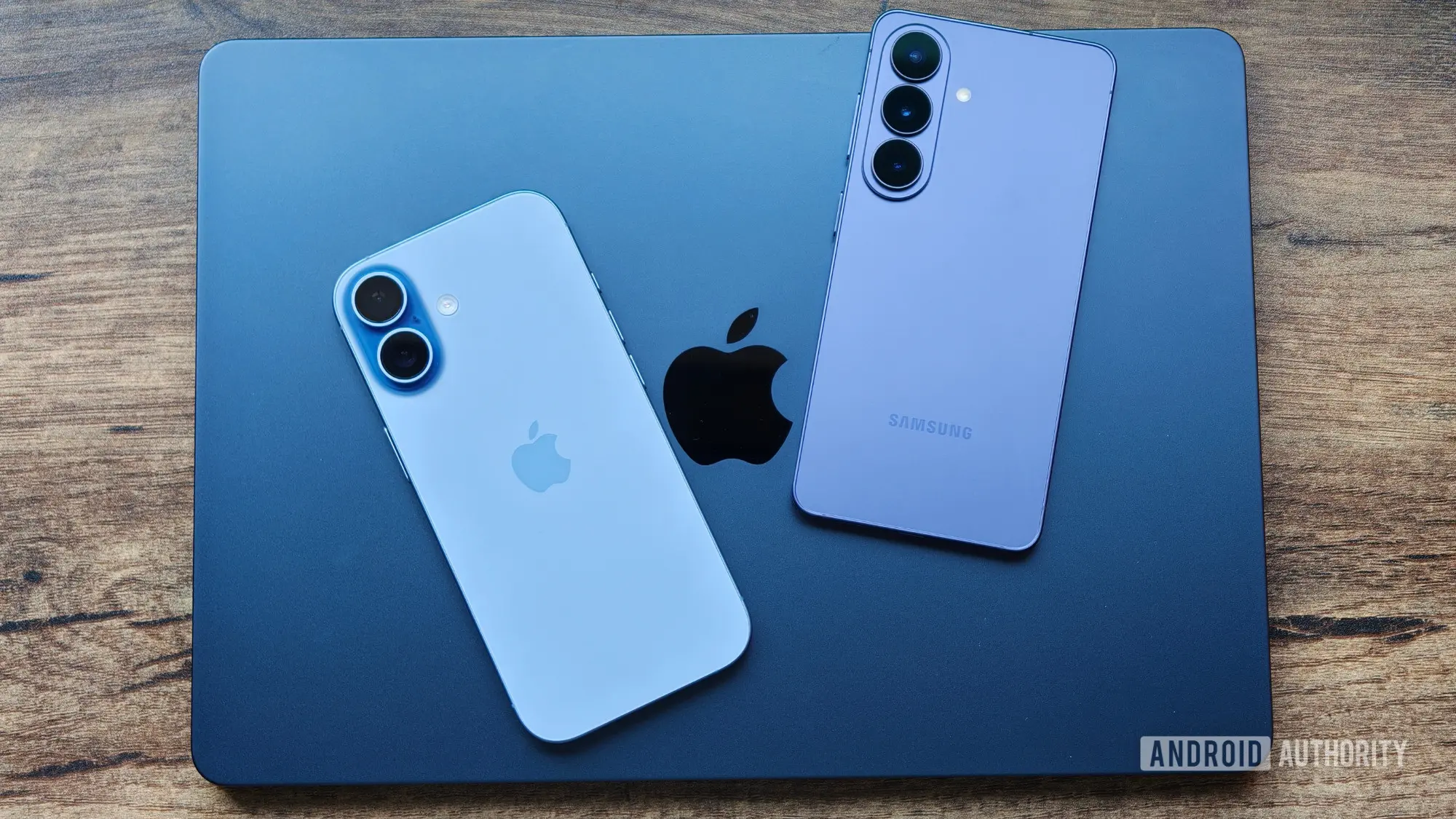
The US smartphone market experienced a significant contraction in the first quarter of 2026, with overall sales falling 5.7% year-over-year according to Counterpoint Research. Yet within this downturn, a stark divergence emerged: Apple’s iPhone shipments actually grew by 1.3%, while Android-based devices saw a painful 14.4% decline. This disparity underscores deeper structural dynamics in consumer behavior, carrier strategies, and product timing that are reshaping the competitive landscape.
Why Android Makers Are Losing Ground
The first quarter of the year has long been a battleground between Apple’s aging iPhone lineup and Samsung’s flagship Galaxy S series. Typically, Samsung launches its premium devices in February or March, offering Android fans a reason to upgrade. In 2026, however, Samsung postponed the Galaxy S26 launch to mid-March, creating a one-month gap with no new premium Android flagship. That vacuum, analysts say, was filled almost entirely by Apple. Consumers who walked into carrier stores in January and February were more likely to exit with an iPhone 17 than to wait for a delayed Samsung device.
The impact was most visible at the major carriers. Counterpoint reported that Apple’s share of smartphone sales at Verizon reached 77% in Q1. That means three out of every four phones sold at the nation’s largest carrier bore the Apple logo. While Verizon is often considered a stronghold for Apple, such a high proportion is unprecedented. The company achieved this by aggressively pushing promotional offers on devices priced above $600, outpacing Samsung’s discounting and trade-in incentives. With the Galaxy S26 missing from the premium segment for nearly half the quarter, Apple had little trouble convincing customers that the iPhone 17 was the best upgrade available.
Beyond timing, Apple also managed to hold pricing steady on key entry-level models like the iPhone 17e while doubling its base storage to 256GB. This move effectively lowered the cost per gigabyte and added perceived value without cutting the retail price. Android manufacturers, by contrast, face rising component costs—especially for processors, memory, and displays—which forced some to raise prices or reduce promotional depth. Samsung’s Galaxy A series and Google’s Pixel lineup struggled to compete on both features and price in the carrier stores.
Prepaid and Retail Offer Some Hope for Android
Not all Android manufacturers suffered equally. Motorola and Samsung actually saw growth in the prepaid segment and in national retail chains such as Walmart and Target. These channels cater to budget-conscious consumers who prioritize value over the latest flagship technology. Motorola’s Moto G series, for instance, continues to appeal with competitive specs at low price points, and Samsung’s Galaxy A15 and A25 models perform well under $300. In the prepaid space, carriers like T-Mobile’s Metro by T-Mobile and Verizon’s Visible have leaned on Android devices to attract price-sensitive subscribers.
However, the prepaid and retail segments are far less lucrative than the postpaid market, where customers commit to long-term contracts and are more likely to purchase high-margin accessories and services. Apple’s dominance in postpaid means it captures the bulk of the revenue and profit in the US smartphone ecosystem. According to industry data, Apple accounts for nearly 80% of the profit pool in the US market, and that share has only grown in recent quarters.
The Q1 report reveals that even within the postpaid space, Apple has strengthened its grip. Verizon, AT&T, and T-Mobile all report higher than average attach rates for Apple devices, driven by aggressive trade-in offers that lock customers into multi-year upgrade cycles. Samsung and other Android brands have tried to counter with their own promotions, but the delayed Galaxy S26 launch left them without a flagship hero product to anchor those campaigns.
The Historical Context of Q1 Competition
To fully appreciate the magnitude of this shift, it helps to look back at recent Q1 performances. In 2025, Apple and Samsung were nearly tied in US market share during the first quarter, with Apple at roughly 52% and Samsung at 22%. That balance was upended when the Galaxy S25 launched on time in early February, giving Android a strong premium offering. In 2026, the scales tipped dramatically—Apple’s share surged to an estimated 58% while Samsung’s fell to around 18%. The 4% swing represents millions of device sales and billions in revenue.
Apple’s resilience is not just about Samsung’s mistake. The iPhone 17 generation, introduced in September 2025, has proven especially popular. The base model features a refreshed design improved cameras and the A19 chip, which delivers superior battery life and AI capabilities. Apple also rolled out a new iPhone 17e—a lower-cost variant that replaces the traditional iPhone SE—with the same A19 chip and 256GB standard storage. That device appeals to first-time iPhone buyers and budget-conscious upgraders who previously might have considered Android.
By contrast, Android’s high-end efforts have been hindered by fragmentation. While Samsung commands the premium Android space, Google’s Pixel 10 series has not yet captured significant carrier mind share, and Chinese brands like OnePlus and Xiaomi face an uphill battle in the US due to limited carrier partnerships and brand recognition. The absence of a strong challenger to Apple in the $800-plus segment leaves Android vulnerable when its primary champion—Samsung—stumbles.
Counterpoint’s data also points to a longer-term trend: US consumers are increasingly loyal to operating systems rather than brands. Once a household adopts iOS, it tends to stay within that ecosystem due to iMessage, iCloud, and integration with other Apple devices. Android makers must work harder to convert users, and the high cost of switching (including loss of app purchases and accessories) acts as a barrier. The Q1 slump for Android suggests that not enough new users are joining the platform to offset natural churn.
The Carrier Landscape
Carriers play an outsized role in US smartphone sales because most consumers buy devices through subsidized installment plans. This makes the relationship with the top three carriers—Verizon, AT&T, and T-Mobile—critical for any smartphone maker. Apple has traditionally had the strongest carrier ties, partly due to the iPhone’s high average selling price and strong resale value. Carriers prefer to promote iPhones because they see lower return rates and higher customer satisfaction, which reduces churn.
Samsung has invested heavily in carrier partnerships but still struggles to match Apple’s promotional power. In Q1 2026, AT&T and T-Mobile both offered limited-time deals that gave customers up to $1,000 off an iPhone 17 with qualifying trade-in. Samsung’s best offers only reached $800, and the late Galaxy S26 launch meant those deals didn’t appear until mid-March. By that time, many upgrade-eligible customers had already committed to Apple.
The prepaid segment is a different story. Here, price sensitivity is paramount, and Android devices have a natural advantage because of their lower cost. Motorola’s Moto G stylus, for example, sells for under $250 and includes a built-in stylus and 108MP camera. Samsung’s Galaxy A25 5G offers a 120Hz display and 50MP camera for around $275. These devices fill a genuine need for millions of Americans who cannot afford or do not want to spend $1,000 on a phone. However, their lower margins mean they contribute far less to the manufacturers’ bottom lines.
Counterpoint noted that Motorola and Samsung did see growth in Walmart and Target, which cater to prepaid and budget buyers. Those channels are important for volume, but they do not generate the same revenue per unit as carrier postpaid. Apple virtually ignores retail chains for its premium models, preferring to sell through its own stores and carrier partners where it can control the experience and margins.
What This Means Going Forward
The Q1 2026 results serve as a warning for Android OEMs: they cannot afford to cede the premium postpaid space, even for a month. Samsung’s delayed launch may have been unavoidable—supply chain issues or a strategic shift to wait for a new chipset—but the cost was immediate. With the Galaxy S26 now on the market, Samsung may recover some share in Q2, but the early momentum is lost. Apple will likely maintain its lead through the remainder of the year, especially with the iPhone 17 Pro and Pro Max models still selling strongly.
Other Android players must find ways to differentiate beyond price. Google’s Pixel lineup offers exclusive software features and longer update commitments, but it lacks the broad carrier presence of Samsung. OnePlus and other challengers remain niche. The rise of foldable phones presents an opportunity—Samsung’s Galaxy Z Flip and Fold series are unique—but they are still priced above $1,000, limiting their appeal to a small enthusiast base.
For consumers, the Q1 data underscores a maturing market where upgrades are driven less by necessity and more by carrier promotions and ecosystem loyalty. The US smartphone slump is real, but it does not affect all players equally. Apple has proven it can weather the downturn by leveraging a strong product cycle, savvy pricing, and deep carrier relationships. Android makers, meanwhile, face an uphill battle to regain lost ground, especially in the premium segment where margins matter most.
The coming quarters will reveal whether Samsung’s delayed launch was a temporary setback or a symptom of a larger structural challenge. For now, the US smartphone narrative belongs to Apple, and Android still has a lot of catching up to do.
Source: Android Authority News