

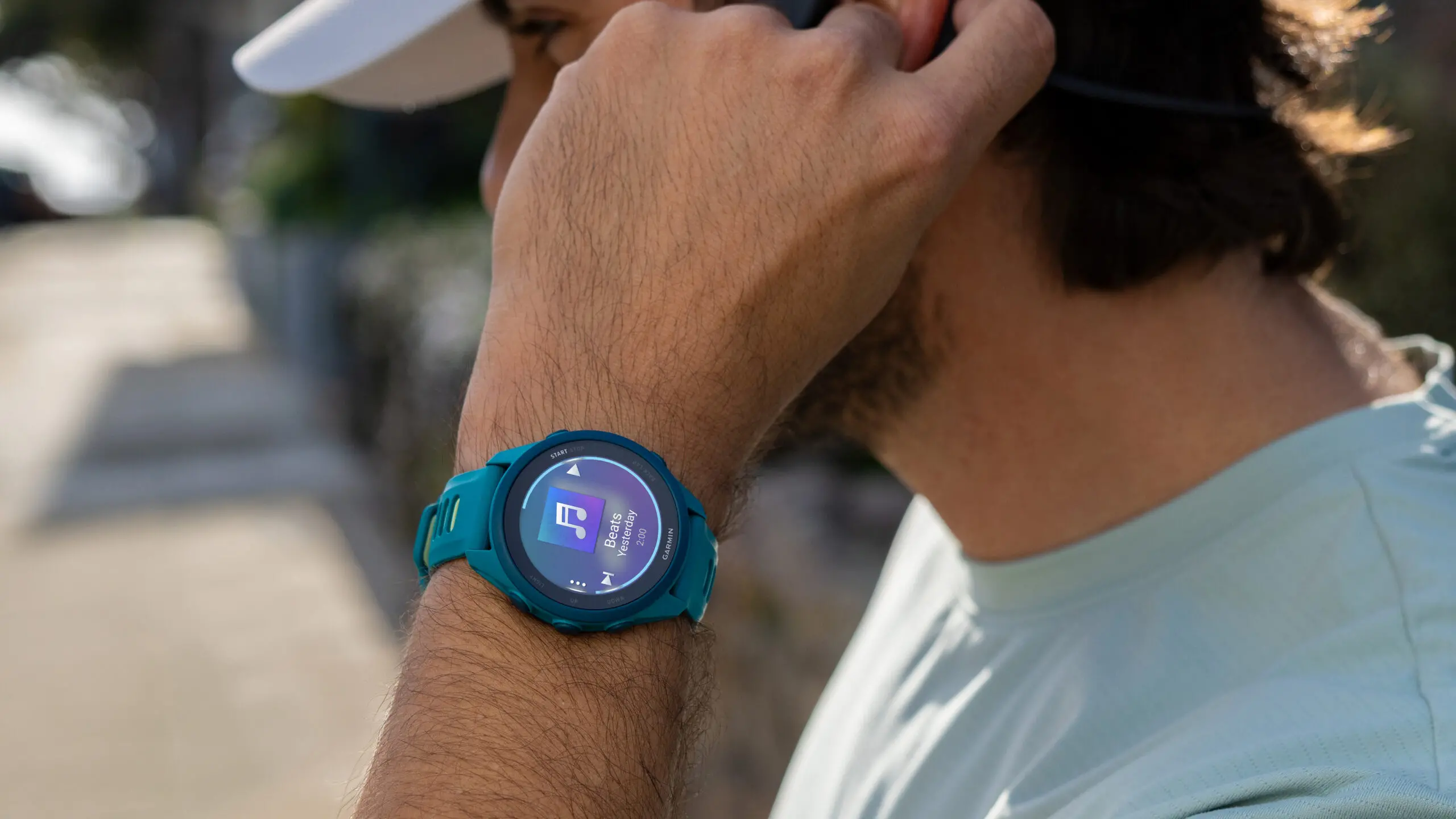
Garmin has introduced the Forerunner 70 and Forerunner 170, two new GPS running watches aimed at beginner and casual runners who want more structure than a basic fitness tracker but aren't ready to invest in high-end training devices. These watches effectively bridge the gap between entry-level activity trackers and Garmin's premium Forerunner series, which has become increasingly sophisticated and expensive over the years.
What's new in the Forerunner 70 and 170?
Both watches feature 1.2-inch AMOLED displays, touchscreen support, and Garmin's traditional five-button navigation system. They include built-in GPS, heart rate tracking, sleep tracking, HRV status, Pulse Ox monitoring, smart notifications, and access to over 80 sports apps. Battery life is competitive: the Forerunner 70 offers up to 13 days in smartwatch mode, while the Forerunner 170 lasts up to 10 days.
What truly sets these watches apart is the inclusion of advanced training metrics that previously required more expensive models. Both watches now offer training readiness, training status, wrist-based running power, and running dynamics. These tools help runners understand how well they are recovering and when they are ready for intense workouts.
A notable addition is the quick workout feature, which generates simplified workout suggestions based on the runner's desired duration and intensity. This is particularly useful for beginners who may not know how to structure their runs. The Garmin Coach adaptive training plans have also been updated with new run/walk plans and lower-volume options, making it easier for new runners to build consistency without feeling overwhelmed.
The Forerunner 170 builds on the 70 by adding Garmin Pay for contactless payments and optional onboard music storage (Music model). The Forerunner 70 comes in six colors: citron, tidal blue, cool lavender, soft pink, black, and whitestone. The Forerunner 170 is available in black with amp yellow detailing, whitestone with cloud blue, and the Music model adds teal green with teal and citron, and red pink with pink and mango.
Pricing starts at $249.99 for the Forerunner 70, $299.99 for the Forerunner 170, and $349.99 for the Forerunner 170 Music. They will be available from May 15 at Garmin.com.
Why this matters for beginner runners
The running watch market has long been dominated by high-end devices packed with complex metrics that casual runners rarely use. Garmin's new Forerunner 70 and 170 aim to democratize these features, offering meaningful training guidance without the steep learning curve or high price tag. For someone just starting their running journey, the ability to monitor recovery, track running power, and follow adaptive coaching plans can significantly improve performance and reduce injury risk.
The inclusion of AMOLED displays is also a welcome upgrade. Previous entry-level Garmin watches often relied on memory-in-pixel (MIP) screens that, while battery-efficient, lacked the vibrancy and touch responsiveness of modern smartwatches. The transition to AMOLED makes the Forerunner 70 and 170 more visually appealing and easier to use in various lighting conditions.
Garmin's five-button setup remains a standout feature for athletes who prefer physical controls during sweaty runs or while wearing gloves. It strikes a good balance between traditional button navigation and modern touchscreen convenience.
The quick workout feature is another highlight. Rather than manually programming intervals or relying on generic time-based runs, users can input their available time and desired intensity, and the watch generates a structured workout. This removes guesswork and helps beginners develop better training habits from the start.
How do they compare to existing Garmin models?
The Forerunner series has evolved significantly over the past decade. The premium Forerunner 965, for example, offers a larger AMOLED display, advanced mapping, multi-band GPS, and even more detailed training metrics, but it costs $599.99. The mid-range Forerunner 265, priced at $449.99, lacks some of the high-end features but still includes many of the same metrics found in the new 70 and 170 models.
By contrast, the Forerunner 70 and 170 strip away unnecessary extras like mapping and music (on the base model) while retaining the core training tools that matter most for beginners. This makes them an attractive option for budget-conscious runners who still want Garmin's ecosystem and reliable tracking.
Garmin also offers the Venu series, which leans more toward smartwatch features and lifestyle tracking, but these lack the dedicated running metrics of the Forerunner line. The new Forerunner 70 and 170 fill a gap between the Venu and the higher-end Forerunners, giving runners a purpose-built device without the premium price.
Battery life and connectivity
Battery life is often a deciding factor for runners who don't want to charge their watch every day. The Forerunner 70's 13 days in smartwatch mode is excellent, while the Forerunner 170's 10 days is still very good. Both support GPS tracking for multiple hours of continuous activity, making them suitable for marathon training and long runs.
Smart notifications allow users to see text messages, calls, and app alerts on their wrist, though the watches do not have LTE connectivity, so they rely on a paired smartphone for data. Garmin Pay on the Forerunner 170 adds convenience for runners who prefer to leave their phone at home during a quick store stop.
The Pulse Ox sensor measures blood oxygen saturation, which can help monitor sleep quality and altitude acclimation. While not as critical for everyday joggers, it adds another layer of health tracking that many users appreciate.
Target audience and use cases
The Forerunner 70 and 170 are squarely aimed at new runners who want to track their progress and gain insights without becoming overwhelmed. They are also suitable for walkers and fitness enthusiasts who want a dedicated GPS watch for various activities. The inclusion of over 80 sports apps means users can track swimming, cycling, hiking, yoga, and more.
For those who already own a basic fitness tracker and feel limited by its lack of GPS or structured workout features, these watches represent a natural upgrade. They offer the reliability of Garmin's hardware and software without requiring a significant investment.
The Forerunner 170 Music, with its onboard storage for up to 500 songs, is particularly appealing for runners who want to leave their phone behind. Pairing with Bluetooth headphones provides a distraction-free running experience with music or podcasts.
Garmin's ecosystem also includes the Garmin Connect app, which offers detailed activity analysis, challenges, and social features. New users can join community challenges, set goals, and track their progress over time, helping maintain motivation.
Competition and market position
At $249.99 to $349.99, the Forerunner 70 and 170 face competition from devices like the Apple Watch SE (starting at $249), Fitbit Versa 4 ($229.95), and Polar Pacer ($249.90). However, Garmin's strength lies in its running-focused features, such as training readiness, running dynamics, and adaptive coaching. Apple and Fitbit offer more general smartwatch features but lack the depth of running metrics that dedicated runners often seek.
For Android users, the Forerunner 70 and 170 provide tight integration with the Garmin Connect app, which is widely regarded as one of the best fitness platforms. IPhone users also benefit, though they may miss some smartwatch features like replying to messages or using apps.
Overall, Garmin has positioned these watches to appeal to a broad audience of fitness-conscious individuals who want more than a basic tracker but less than a professional training device. The combination of AMOLED displays, premium metrics, and reasonable prices makes them compelling options in the mid-range GPS watch segment.
The watches will be available from May 15 at Garmin.com and through authorized retailers. Given the pace of wearable announcements, it's likely that Garmin will continue to refine its lineup, but for now, the Forerunner 70 and 170 represent a significant step forward for beginner runners seeking affordable access to advanced training technology.
Source: Android Authority News