

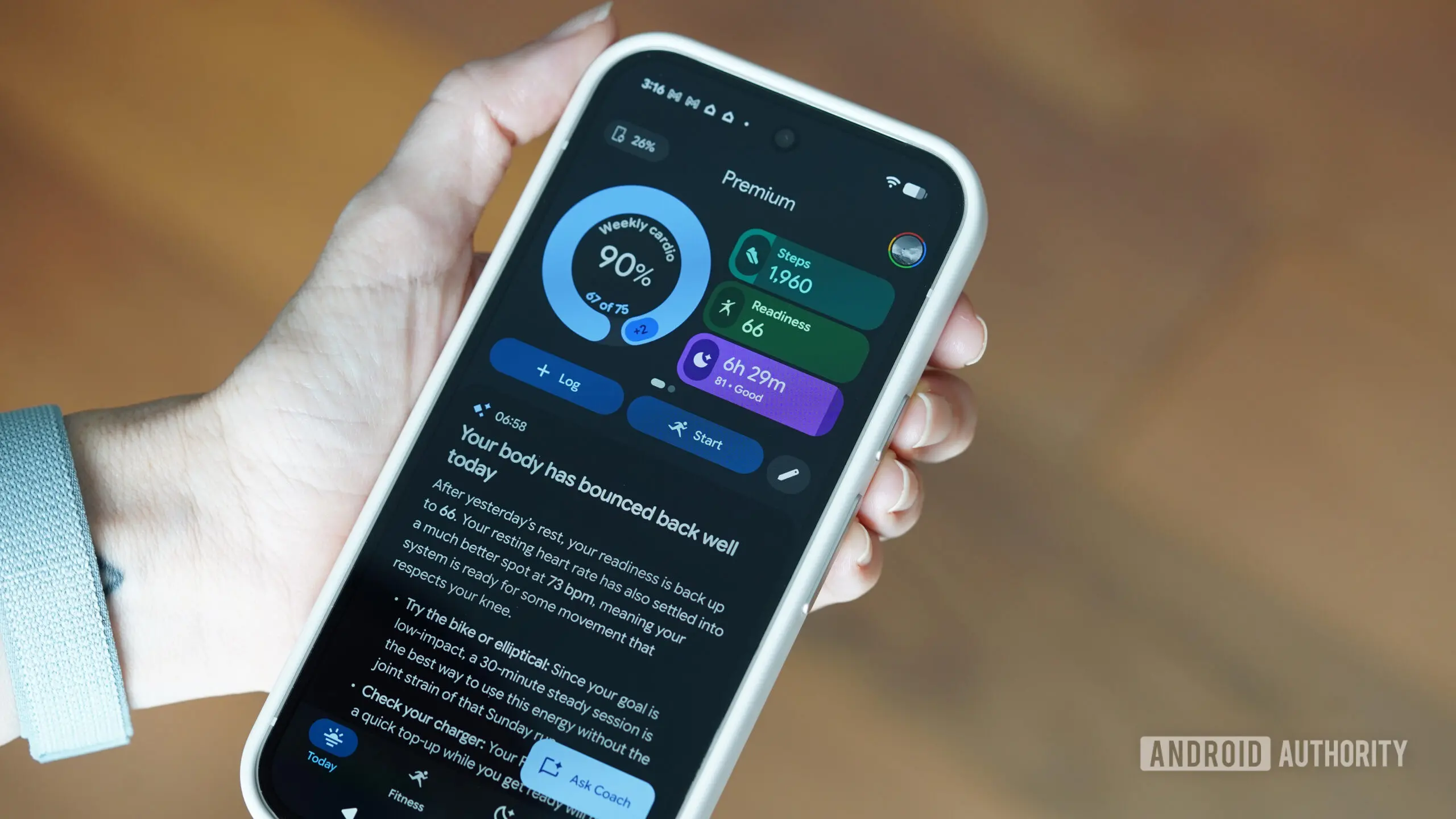
Less than two weeks after the Fitbit app was forcibly migrated to the new Google Health app, a survey has revealed widespread dissatisfaction among users. Over 1,500 participants from a major tech publication voted, and the results are stark: more than half of respondents believe the redesign, while visually appealing, has dramatically worsened the user experience.
Key Survey Findings
The survey asked readers to share their feelings about the Google Health app. The largest segment, 51%, said the app looks better but they don’t enjoy using it. Only 23% thought the app is both gorgeous and works well. A further 13% were indifferent, 9% hadn’t yet received the update, and just 5% loved how it works but disliked the look. These figures underscore a fundamental mismatch between aesthetic improvements and practical usability.
Major User Complaints
Reader comments paint a clear picture of frustration. Many users report that basic metrics, such as steps taken the previous day, have become nearly impossible to find. One reader noted, “Since the forced upgrade to Google Health, finding most basic metrics has become a near impossible quest.” Another longtime Fitbit owner said, “I hate everything about the new app. Nothing is intuitive, and I can’t easily review my trends.” This sentiment has driven some to consider leaving Fitbit for an Apple Watch or a Garmin device.
The intrusive AI coach is a recurring sore point. While Google has touted the AI’s ability to provide personalized feedback, many users find it verbose, condescending, and unhelpful. One commenter described the AI as “smarmy, obsequious, condescending platitudes.” Another, who participated in the public preview, stated, “I gave lots of feedback that matches this article. I don’t think anyone at Google is listening. The rambling AI text is generally unhelpful and repetitive.”
Usability issues extend beyond the AI. Users cannot sort or reorder tiles, hourly step graphs are missing, and posts logging a workout after the fact does not incorporate data. GPS map export, hourly move reminders, and food logging in grams are also absent or degraded. One Reddit thread about the redesign has amassed over 600 comments, with many users detailing similar frustrations.
Background: The Fitbit to Google Health Transition
The transition from the dedicated Fitbit app to the Google Health app was supposed to unify health data across services, integrating Fitbit, Google Fit, and Health Connect. The new design uses a dashboard-style layout with a heavy emphasis on AI-generated summaries. However, the execution has been criticized for hiding raw data behind verbose text and for making it harder to see trends at a glance. The AI coach, placed prominently, offers daily commentary on sleep, activity, and readiness scores, but many users find it repetitive and lacking in actionable insights.
Over the years, Fitbit built a loyal user base with a clean, data-focused app. Google’s acquisition of Fitbit in 2021 raised concerns about data privacy and product changes. The current backlash suggests that Google has underestimated the attachment users have to the simplicity and transparency of the original Fitbit interface.
What Google Could Do Better
Based on user feedback, improvements would include restoring sortable, customizable graphs; making the AI coach collapsible or optional; and ensuring that all historical metrics are easily accessible. The AI should serve as an optional deep-dive feature rather than a default overlay. Additionally, bug fixes for sleep tracking and activity calculation are urgent. If Google fails to address these core complaints, it risks losing a significant portion of its health platform’s user base to competitors like Garmin, Apple Watch, and Oura.
Meanwhile, some users defend the new app, pointing out that the AI provides meaningful context to raw numbers. One such user said, “The app had numbers for the longest time but no feedback. Having feedback first is refreshing and more informative.” Yet the overwhelming majority of comments suggest that the current implementation fails to strike the right balance between data presentation and AI interpretation.
The future of Google Health may depend on how quickly Google responds to this outcry. The company held a public preview yet ignored much of the feedback, which has eroded trust. For now, the new Google Health app stands as a cautionary tale of a redesign that prioritized looks over substance, and AI ambitions over user needs.
Source: Android Authority News