
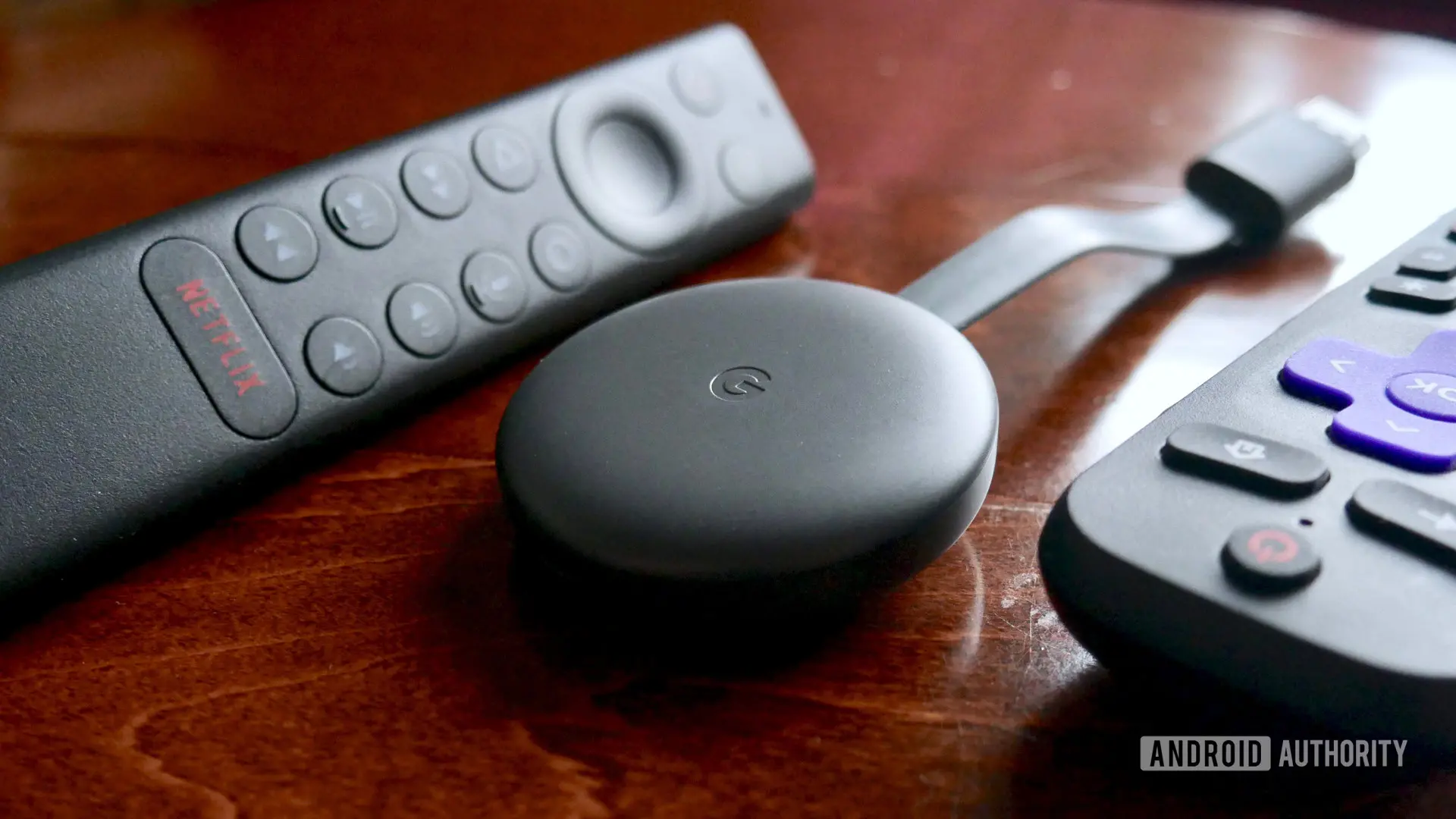
There’s arguably no single product more responsible for ushering in our modern era of TV streaming than Google’s humble little Chromecast. With a few bucks and an HDMI port, anybody could transform their dumb TV into a modern streaming marvel — or just sidestep their smart TV’s disappointing built-in apps. Recently, though, a concerning number of users have been reporting problems with streaming to Chromecasts, and we were starting to fear this was the end of an era. Today we’ve got some good news, though, as Google shares an update on the situation.
The Outage
Earlier this week, reports started piling up of Chromecast users unable to stream to their hardware. The issue affected multiple apps and generations of Chromecast devices, sparking widespread frustration and speculation. Social media and forums were flooded with complaints, and rumors quickly took off that Google might be abandoning the Chromecast line entirely, or that streaming services were turning their backs on it. The timing was particularly worrying because Chromecast had already faced challenges, such as when Netflix decided to block access for certain older models, raising questions about long-term support.
Many users rely on Chromecast as a primary streaming solution, especially those with older televisions that lack built-in smart features. The outage therefore impacted not just convenience but also daily entertainment routines. Some users reported that they had to resort to using alternative streaming devices or directly hooking up laptops to their TVs just to watch content.
Google’s Response
At first, Google's silence on the matter allowed anxiety to fester. But eventually, the company chimed in on Reddit, where many affected users had gathered. In a post, a Google representative stated: “We are investigating an issue impacting the ability to cast some services on Chromecast devices. We’ll circle back with an update as soon as we can. Thank you for your patience.” This acknowledgment, while somewhat vague, was enough to give users hope that a fix was forthcoming.
Later, Google provided a more definitive update: “The issue impacting the ability to cast some services to Chromecast devices has been resolved.” The company encouraged anyone still experiencing problems to contact support, suggesting that a few edge cases might still need attention. This rapid resolution, however, does not fully erase concerns about the long-term viability of the Chromecast platform.
Historical Context
Chromecast debuted in 2013 and quickly became a game-changer in the streaming industry. It offered a simple, affordable way to stream content from smartphones, tablets, and computers to any TV with an HDMI port. Over the years, Google released multiple generations, including the Chromecast Ultra, Chromecast with Google TV, and the Chromecast Audio. The device’s casting protocol became so ubiquitous that many third-party apps now include native cast support.
Despite its popularity, Chromecast has faced growing competition from devices like Amazon Fire Stick, Roku, and Apple TV, as well as from the proliferation of smart TVs with built-in streaming capabilities. Google itself has shifted focus toward the Google TV platform, which offers a full interface and remote control, rather than the purely cast-based experience of the original Chromecast. This has led some to speculate that the original Chromecast line may be gradually phased out.
Moreover, the recent outage is not an isolated incident. In 2025, some users reported issues with Chromecast audio synchronization, and earlier in 2026, a firmware update temporarily broke compatibility with certain streaming services. Each incident fuels uncertainty, especially among those who have invested in multiple Chromecast devices across their homes.
What This Fix Means
For now, the immediate problem is solved. Users can once again cast from their favourite apps—Netflix, YouTube, Spotify, and others—to their Chromecast devices. This is a relief for the millions of people who still use the device daily. However, the outage serves as a reminder that proprietary streaming protocols are vulnerable to server-side issues. Unlike a physical device that works entirely offline, Chromecast relies on Google’s cloud infrastructure and app integration to function properly.
Google has not disclosed the root cause of the outage, leaving some users uneasy. Was it a server misconfiguration? A certificate expiry? A problem with an update to the Cast SDK? Each possibility has different implications for future reliability. Without transparency, users may begin to look for alternatives that offer more predictable service.
Yet, the fact that Google jumped to fix the issue quickly indicates that the company still values the Chromecast ecosystem. It may not be a priority product, but it remains an important entry point for users into Google’s broader ecosystem, including Google Assistant, Google Home, and YouTube. The casting protocol is also integral to Google’s smart home strategy, as seen in products like the Nest Hub which use built-in Chromecast capabilities.
User Reactions and Advice
Following Google’s announcement, many users expressed relief and gratitude, but others remained skeptical. “This is the third time something like this has happened. I’m starting to lose faith, especially since Google has a history of killing products,” wrote one Reddit user. Another added: “I love my Chromecast, but I’m seriously considering switching to a Roku or an Apple TV for peace of mind.”
For those who want to stay with Chromecast, there are steps to minimize potential future disruptions: ensure the device’s firmware is up to date, keep the Google Home app updated, and consider using a dedicated streaming box with a remote (like the Chromecast with Google TV) which may be more resilient during cloud outages. Also, having a backup streaming device, even a basic one, can be a safety net.
It is also wise to follow official Google support channels and forums to quickly become aware of any new issues. Some users have reported that simply restarting their Chromecast and router can resolve temporary glitches, though it did not help during this outage.
Looking Forward
Chromecast’s future remains uncertain. Google has not released a new model since the Chromecast with Google TV (HD) in 2022, and the latest software updates have been incremental. The company recently discontinued the Chromecast Audio, further narrowing the product line. Meanwhile, competitors are innovating with features like 4K HDR, Dolby Vision, and voice control built into inexpensive dongles.
However, the casting protocol itself is not going away. It is deeply integrated into the Android ecosystem, and Google’s smart speakers and displays rely on it. Even if the dedicated Chromecast hardware is phased out, the casting functionality will likely survive in other forms. Google may eventually replace the Chromecast brand with something like “Google Home streaming” or fully absorb it into Google TV.
For now, though, Chromecast users can breathe easy. The outage has been resolved, and the device lives on—at least for a while longer. Whether it lasts for years or months is still an open question, but for the millions of users who rely on it daily, this fix is a welcome reprieve.
If you haven’t already, you can also set us as a preferred source in Google Search to ensure you never miss updates on this and other tech stories. The world of streaming is always evolving, and staying informed is the best defense against being caught off guard by changes in the services and devices you depend on.
Source: Android Authority News