

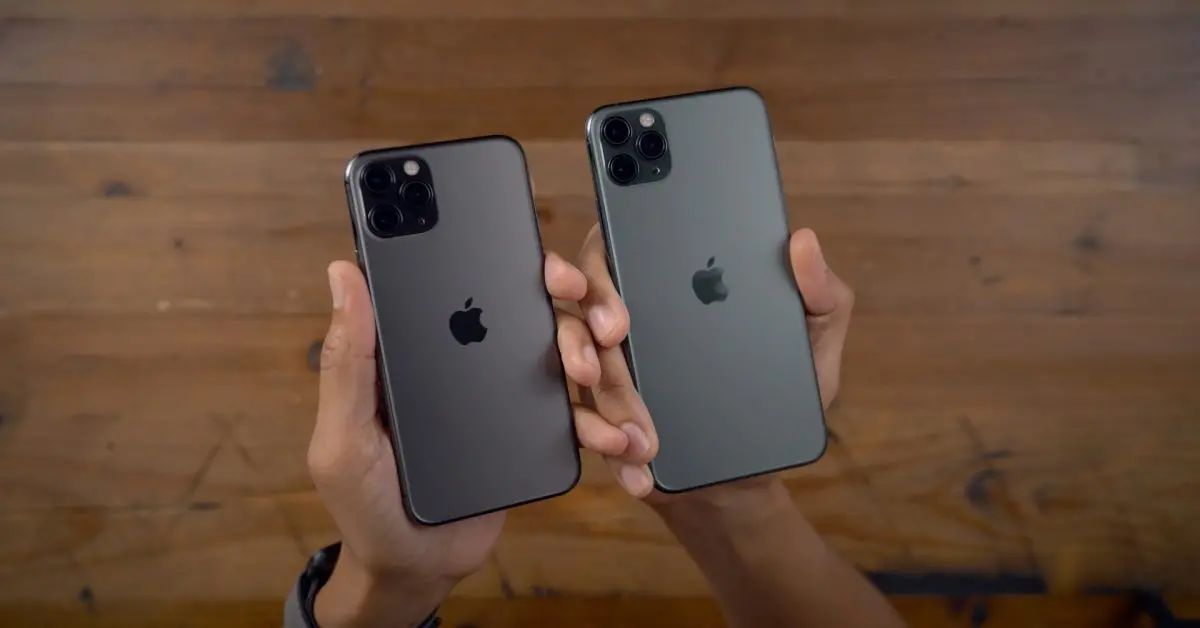
Apple is set to unveil iOS 27 at WWDC on June 8, and early rumors indicate a significant shift in device compatibility. According to leaks from the Chinese social media platform Weibo, the upcoming operating system may drop support for four iPhone models that currently run iOS 26: the iPhone 11, iPhone 11 Pro, iPhone 11 Pro Max, and the second-generation iPhone SE. If true, iOS 27 will require an iPhone 12 or later, marking the second year in a row Apple has removed multiple older devices from its major iOS update cycle.
The news comes from leaker Instant Digital, who posted a full list of supposedly supported iPhone models for iOS 27. While the list has not been verified by Apple, the source has a mixed but notable track record for iOS-related leaks. The omission of the iPhone 11 line and iPhone SE 2 would affect millions of users, as these devices are still widely used. The iPhone 11 series debuted in September 2019, while the second-generation iPhone SE launched in April 2020. Both are powered by the A13 Bionic chip, which has aged well but may lack the neural engine capabilities required for future AI-driven features.
Apple typically supports its iPhones for five to six years with major software updates. The iPhone 11 line received iOS 13 at launch and has since been updated to iOS 14, 15, 16, 17, 18, 19, 20, 21, 22, 23, 24, 25, and 26. If iOS 27 drops support, that would mean the devices received eight years of major updates, which is on the long side for Apple. However, the iPhone SE 2, released in 2020, would have only six years of support, which is shorter than some might expect. For comparison, the original iPhone SE (2016) received iOS updates through iOS 15, a span of six years as well.
The rumor comes at a time when Apple is heavily investing in on-device artificial intelligence. iOS 27's tentpole features are expected to revolve around a major Siri overhaul, dubbed "Liquid Glass," and expanded Apple Intelligence capabilities. However, Apple Intelligence currently requires an iPhone 15 Pro or later for many features. Even if older devices can install iOS 27, they may be unable to use the most advanced AI functions. This split could frustrate users who own an iPhone 12, 13, or 14, as they would technically be compatible but miss out on core improvements.
Historically, Apple has not been afraid to cut off older hardware. Last year, iOS 26 dropped support for the iPhone XS, XS Max, and XR, devices from 2018. That was a significant cut, and now iOS 27 appears to continue the trend by eliminating the 2019 and early 2020 models. Analysts suggest this accelerated pace of dropped support may be driven by the requirements of Apple Intelligence, which relies on the A16 Bionic chip or later for certain tasks. The A13 Bionic in the iPhone 11 and SE 2 lacks the dedicated 16-core Neural Engine found in newer chips, making it difficult to run advanced ML models efficiently.
For users currently on an iPhone 11 or iPhone SE 2, the news is a reminder to plan for an upgrade. Apple will continue to provide security updates and bug fixes for iOS 26 after iOS 27 launches, but those updates will be limited. Users who want access to the latest features, especially AI-powered ones, will need to move to at least an iPhone 12, though ideally an iPhone 15 Pro or newer for the full experience. The second-generation iPhone SE, still popular among budget-conscious users, faces a particularly short lifespan compared to other models.
The broader context of this leak touches on Apple's long-term strategy for its mobile ecosystem. As the company pushes deeper into AI, it may need to enforce stricter hardware requirements to maintain a consistent user experience. This could lead to more frequent compatibility cuts in the future. Meanwhile, rumors about the iPhone 17 lineup suggest Apple is preparing to launch devices with even more powerful neural engines, further widening the gap between old and new models.
For now, the information remains unconfirmed. Apple rarely comments on pre-release rumors, and the official compatibility list for iOS 27 will only be revealed at WWDC. Until then, users should take the leak with a grain of salt. However, given the predictability of Apple's drop pattern and the growing demands of iOS features, the report aligns with industry expectations. If the rumor holds true, the iPhone 12 and iPhone SE 3 become the new entry points for iOS 27, setting a baseline for the next generation of Apple software.
In terms of best practices, users with affected devices should keep their phones updated to iOS 26 as long as possible and consider backup options. Apple's trade-in program, third-party resale markets, or carrier upgrade plans can help ease the transition. While the iPhone 11 remains a capable device for everyday tasks, its time at the forefront of iOS innovation is likely coming to an end.
Source: 9to5Mac News