

The East of England is a region defined by contrasts: ancient market towns and futuristic science parks, vast agricultural plains and bustling coastal resorts, medieval cathedrals and world-class universities. Spanning six counties—Cambridgeshire, Norfolk, Suffolk, Essex, Bedfordshire, and Hertfordshire—it is home to over six million people and contributes significantly to the United Kingdom's GDP. While often overshadowed by London's immediate orbit, the East of England possesses a distinct identity rooted in innovation, rural tradition, and maritime history.
Economic Powerhouse: From Agriculture to Tech
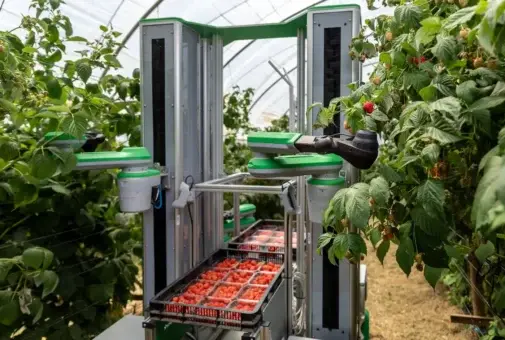
Historically, the East of England has been the nation's breadbasket. Its fertile soils, particularly in the Fens of Cambridgeshire and Norfolk, produce a substantial portion of Britain's wheat, barley, sugar beet, and vegetables. The region accounts for roughly a third of England's agricultural output, with large-scale arable farming dominating the landscape. In recent decades, however, the economy has diversified dramatically. The 'Cambridge Phenomenon'—the cluster of high-tech companies, research institutions, and spin-offs around the University of Cambridge—has transformed the area into a global hub for biotechnology, software development, and electronics. Over 5,000 knowledge-intensive firms now operate in and around the city, employing tens of thousands. The development of the Cambridge Biomedical Campus, one of Europe's largest centres for medical research and patient care, underscores this shift. Addenbrooke's Hospital and the nearby Wellcome Genome Campus in Hinxton drive breakthroughs in genetics and personalised medicine.
Norwich, the capital of Norfolk, has also developed a strong digital and creative sector, while Essex's proximity to London has made it a base for financial services, logistics, and retail distribution. The ports of Felixstowe and Harwich are among the busiest in the UK, handling container traffic and ferries that connect the region to continental Europe. The rapid growth of offshore wind energy along the coast—from the Greater Gabbard to the East Anglia Array—positions the East of England as a leader in renewable energy production.
Education and Research: The Golden Triangle
The East of England is part of the so-called 'Golden Triangle' of UK research excellence, alongside Oxford and London. The University of Cambridge consistently ranks among the top five universities in the world. Its 31 colleges, spread across the historic city centre and modern campuses, produce Nobel laureates, tech entrepreneurs, and political leaders. Beyond Cambridge, the region hosts the University of East Anglia (UEA) in Norwich, renowned for its creative writing programme and environmental sciences, and the University of Essex, a leader in social sciences and robotics. Anglia Ruskin University, with campuses in Cambridge and Chelmsford, offers vocational courses that feed directly into local industries.
The region's commitment to research extends beyond universities. The John Innes Centre and the Sainsbury Laboratory focus on plant science and microbiology, supporting agricultural innovation. The Babraham Institute studies epigenetics and cell biology. These institutions attract funding from UK Research and Innovation and international partners, fostering a vibrant ecosystem of startups and spin-offs.
Cultural Heritage and Tourism
Tourism is a major economic driver, drawing visitors to the region's rich heritage. Cambridge's historic colleges, punting on the River Cam, and the Fitzwilliam Museum are world-famous. Norwich boasts a magnificent Norman cathedral, a thriving medieval market, and the Sainsbury Centre for Visual Arts. The Suffolk coast—with towns like Aldeburgh, Southwold, and Orford—inspires artists and writers. The Norfolk Broads, a network of navigable rivers and lakes, offer unique boating holidays amidst protected wetlands. In Essex, Colchester claims to be Britain's oldest recorded town, with Roman walls and a castle built by William the Conqueror.
The region also possesses remarkable rural landscapes: the rolling hills of the Chilterns Area of Outstanding Natural Beauty, the heathlands of Breckland, and the saltmarshes of the North Norfolk Coast, a haven for birdwatchers. Historical estates such as Houghton Hall, Holkham Hall, and Wimpole Hall open their doors to the public, revealing centuries of aristocratic life. Festivals like the Aldeburgh Festival, founded by Benjamin Britten, and the Norfolk and Norwich Festival enrich the cultural calendar.
Infrastructure and Transport Connectivity
Despite its economic dynamism, the East of England faces infrastructure challenges. Road networks such as the A11 and A14 have been upgraded to improve links between Norwich, Cambridge, and the Midlands. Rail services from London to Cambridge are fast and frequent, with journey times under an hour. However, rural communities in Norfolk and Suffolk often struggle with limited public transport. The proposed Lower Thames Crossing would ease congestion at the Dartford Crossing, improving connectivity to Essex and Kent. Regional airports—London Stansted, Luton, and Norwich International—provide domestic and European connections, with Stansted serving as a major base for low-cost carriers.
Broadband and mobile coverage are generally good in urban areas, but parts of rural Norfolk and Suffolk still suffer from poor connectivity, a barrier to remote working and business growth. The rollout of full-fibre broadband and 5G is ongoing, supported by government programmes and private investment.
Demographics and Social Fabric
The region's population is growing, particularly in Cambridgeshire and Essex, driven by both natural increase and migration. Cambridge and its surrounding villages attract a young, highly educated workforce. In contrast, coastal towns like Great Yarmouth and Clacton-on-Sea experience economic deprivation, high unemployment, and an ageing population. This spatial inequality is a key policy concern. The housing market is stretched: Cambridge is one of the least affordable cities in the UK, while parts of Norfolk offer more reasonably priced properties. Local authorities are working to build more homes, including affordable and social housing, but planning constraints and environmental protections slow progress.
The East of England is less ethnically diverse than London or the West Midlands, but diversity is increasing, especially in university cities and commuter belts. Communities of South Asian, Eastern European, and African heritage contribute to the region's cultural richness. The agricultural sector relies significantly on seasonal migrant workers, many from Romania and Bulgaria, who harvest fruit and vegetables.
Healthcare services are under pressure, as across the UK. The Norfolk and Norwich University Hospital, the Queen Elizabeth Hospital in King's Lynn, and Colchester Hospital serve large populations. Ambulance response times and A&E waiting lists are areas of concern. However, the region excels in clinical research and specialised care, with the aforementioned Cambridge Biomedical Campus leading in areas like cancer treatment and organ transplantation.
Environmental Challenges and Sustainability
The East of England is on the frontline of climate change. Its low-lying coastline, particularly in Norfolk and Suffolk, is vulnerable to rising sea levels and increased storm surges. Coastal erosion threatens villages like Happisburgh, which has lost several homes to the sea. The Environment Agency has implemented managed retreat and coastal defence projects, but debate continues about the long-term sustainability of protecting every stretch of shore. Inland, the Fens are drained peatlands that release carbon dioxide when exposed to air. Farmers and researchers are exploring ways to rewet peat soils, convert to wetland agriculture, and grow crops like bulrushes for biofuel, to reduce emissions.
Renewable energy offers both an opportunity and a challenge. Offshore wind farms in the North Sea generate significant clean electricity, but they require massive investment in grid infrastructure and can impact bird populations and marine habitats. Onshore, solar farms are proliferating in Essex and Cambridgeshire, sometimes sparking local opposition over land use. The region also hosts the Sizewell nuclear power station in Suffolk, with a planned new plant (Sizewell C) aiming to provide low-carbon baseload power. Balancing energy needs, nature conservation, and food production is a delicate act.
Sports and Leisure
Sports play a prominent role in regional identity. Norwich City Football Club (the Canaries) has a loyal following, competing in the Championship. Ipswich Town, Cambridge United, and Colchester United also have substantial fan bases. Rugby union is popular, with Northampton Saints located just outside the region but drawing support, while Saracens have ties to Hertfordshire. Sailing is a major pastime along the coast, with regattas at Lowestoft, Burnham-on-Crouch, and across the Norfolk Broads. The region hosts multiple golf courses, horse racing at Newmarket (the home of British racing), and the East Anglian Derby horse race.
Amateur sports thrive, with facilities for running, cycling, and triathlon. The Great Eastern Run in Peterborough and the Norwich Half Marathon attract thousands of participants. The region's flat terrain also makes it popular for long-distance cycling tours, with routes like the Norfolk Coast Cycleway and the Peddars Way.
Food and Drink: Farm to Fork
The East of England is a gastronomic destination in its own right. Its farms produce award-winning cheeses such as Stilton, Norfolk White Lady, and Suffolk Gold. Seafood is abundant: Cromer crabs, Brancaster mussels, and Lowestoft kippers are local delicacies. The region's asparagus, grown in the sandy soils of the Vale of Evesham and parts of Suffolk, is celebrated with festivals. Craft breweries have flourished—the likes of Adnams (Southwold), Greene King (Bury St Edmunds), and numerous microbreweries produce cask ales, lagers, and IPAs. Vineyards in Essex and Suffolk now produce English sparkling wines that rival Champagne. Farmers' markets in towns like Bury St Edmunds, Ely, and Diss offer fresh produce, meats, and baked goods.
The food economy also includes a growing sector of artisan producers, farm shops, and 'field-to-fork' restaurants. In Cambridge, Michelin-starred restaurants such as Midsummer House and Alimentum attract food connoisseurs, while simpler pubs serve hearty fare. The region's food festivals—including the Aylsham Food Festival and the Suffolk Food and Drink Festival—celebrate local producers and attract tourists.
Looking Ahead: The Future of the East of England
The East of England stands at a crossroads. Its strengths—world-class research, productive agriculture, renewable energy potential, and cultural assets—position it well for the future. However, it must tackle persistent issues: housing affordability, regional inequality, coastal erosion, and digital exclusion. Devolution deals have given local authorities more control over transport and skills funding, but calls for greater fiscal autonomy persist. The region's leaders are pushing for a 'Cambridge-Milton Keynes-Oxford Arc' corridor to link innovation hubs through better transport and housing. Meanwhile, environmental sustainability is moving up the agenda, with ambitious net-zero targets set by county councils.
One emerging trend is 'green growth'—the alignment of economic development with environmental restoration. The Cambridgeshire and Peterborough Combined Authority has launched a natural capital investment scheme, valuing ecosystem services. In Norfolk, the 'Norfolk Green Living' initiative encourages low-carbon homes and businesses. These experiments could serve as models for other regions. At the same time, the East of England's farming community is grappling with post-Brexit agricultural policy reforms, which shift subsidies towards environmental land management. Many farmers are diversifying into renewable energy, tourism, and direct sales to adapt.
The region's identity remains rooted in its landscapes: the vast skies of the Fens, the winding rivers of the Broads, the ancient woodlands of Essex. These natural assets, combined with a spirit of enterprise and adaptation, ensure that the East of England will continue to play a vital part in Britain's story. As the UK navigates challenges of climate change, technological disruption, and demographic change, the East of England offers a microcosm of both the problems and the possibilities.
Source: UKTN News