

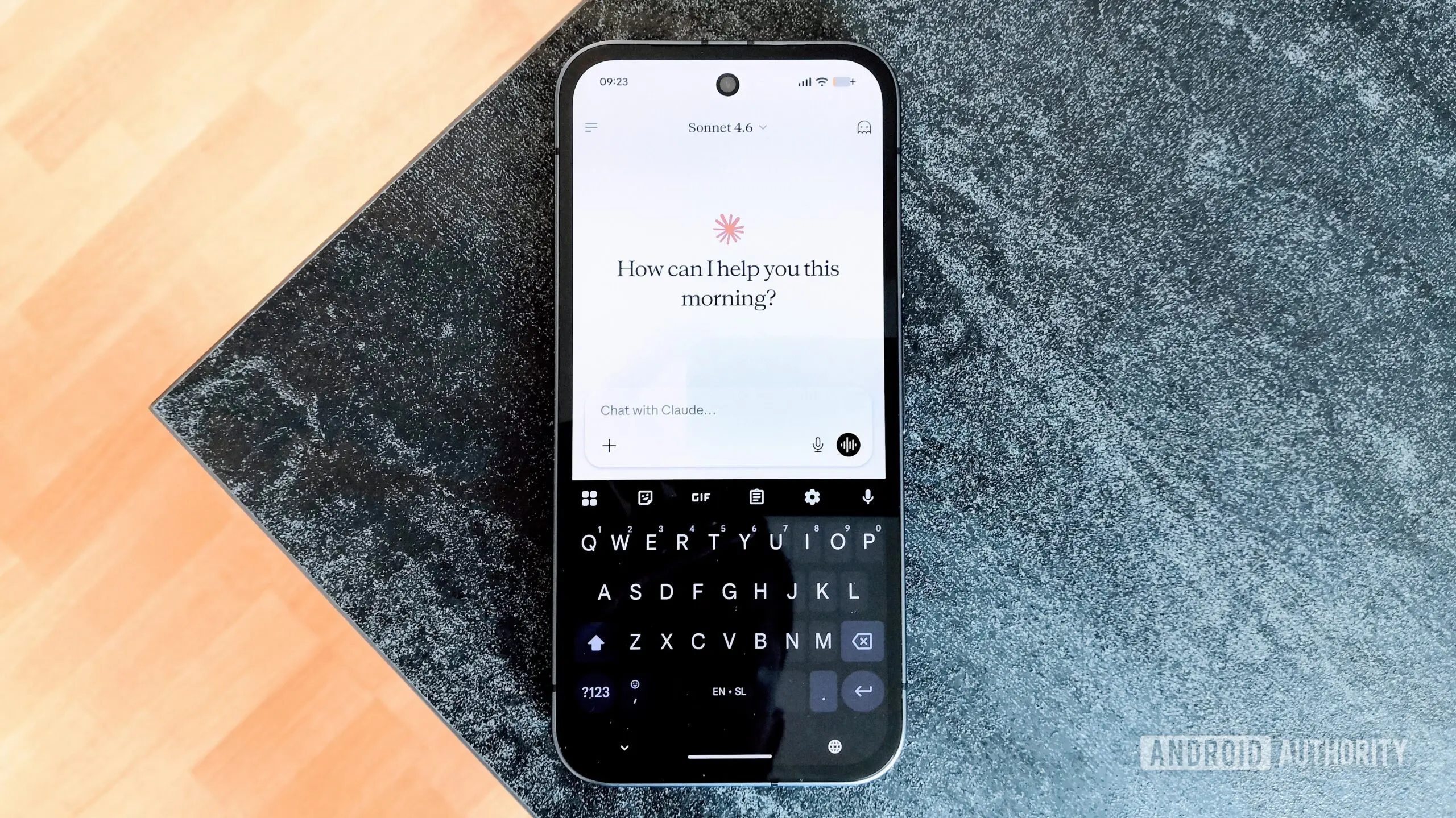
On the morning of May 13, 2026, users of Anthropic's Claude AI encountered significant service disruptions. Error messages such as "This conversation could not be found" and "This isn't working right now. You can try again later" were widely reported, leading to frustration among those relying on the chatbot for both personal and professional tasks. The outage began around 8:21 AM Eastern Time, according to Anthropic's status page, which promptly acknowledged the issue and initiated an investigation.
Outage Timeline and Response
Anthropic, the artificial intelligence company behind Claude, quickly updated its status tracker to indicate that the system was "experiencing elevated error rates." The company noted that the investigation began at 8:21 AM ET, and a follow-up update approximately 30 minutes later confirmed that the probe was ongoing. Downdetector, a service that aggregates user-reported issues, showed a spike in error reports around 8:30 AM ET, following previous surges the night before and on Tuesday afternoon. This pattern suggested that the outage might have been building over several days, though Anthropic did not immediately disclose a root cause.
By just before 11 AM ET, Anthropic's status tracker shifted from "Investigating" to "Operational," signaling that the service had been restored. The company did not issue a detailed post-mortem at that time, but the rapid resolution indicated that the issue was likely a transient backend problem rather than a fundamental architectural flaw. For users, the outage lasted roughly two and a half hours, a relatively short window in the context of major service disruptions.
Background on Claude AI
Claude is a large language model developed by Anthropic, a San Francisco-based startup founded by former OpenAI employees. The model is designed with a strong emphasis on safety, ethical alignment, and transparency. Named after Claude Shannon, the father of information theory, the AI has been positioned as a competitor to other prominent chatbots like OpenAI's ChatGPT and Google's Gemini. Claude has gained a loyal user base due to its nuanced conversational abilities, refusal to engage in harmful tasks, and ability to handle complex instructions.
Anthropic has raised billions in funding from investors including Google, Salesforce, and Spark Capital. The company operates with a mission to build AI systems that are "helpful, honest, and harmless." Claude is available through a web interface, mobile apps, and an API for developers. The service is free to use with usage limits, while a paid subscription called Claude Pro offers higher throughput and priority access.
Impact of the Outage
Service outages, even brief ones, can have significant ripple effects for users who depend on AI tools for daily productivity. Writers, programmers, researchers, and business professionals often integrate Claude into their workflows. During the outage, many were left without access to ongoing conversations and projects. The error message "This conversation could not be found" was particularly concerning because it suggested that data might be lost. However, after the service was restored, most users reported that their chat histories remained intact.
For businesses that rely on Anthropic's API, the outage could have temporarily disrupted automated customer service, content generation, or data analysis pipelines. While minor, such incidents underscore the vulnerability of relying on a single AI provider for mission-critical tasks. Some developers might consider building redundancy into their systems, using multiple AI models to avoid a single point of failure.
Broader Context of AI Reliability
As AI services become more ubiquitous, the expectation for near-perfect uptime grows. However, even major tech giants like Google, Microsoft, and Amazon experience outages. Anthropic is still a relatively young company compared to these giants, and its infrastructure may be less robust. The outage on May 13 is not the first for Claude; the service has experienced intermittent issues in the past, often attributed to high demand or software updates.
Reliability is a critical factor in the adoption of AI tools. For enterprises, a 99.9% uptime guarantee is often expected. Anthropic does not publicly disclose its uptime statistics, but the company's status page provides a transparent view of ongoing issues. The quick resolution of this outage is a positive sign, but the frequency of such events will determine user trust over the long term.
The Role of Status Pages and Communication
During outages, clear and timely communication is essential. Anthropic's status page was updated within minutes of the first reported issues, and the company provided periodic updates. This transparency helps manage user expectations and reduces frustration. However, the updates were brief and did not include estimated time to resolution (ETR). Some users on social media expressed dissatisfaction with the lack of detail, though others appreciated the honesty.
Compared to past incidents at other AI companies, Anthropic's response was relatively swift. For example, during a major ChatGPT outage in 2024, OpenAI took several hours to restore service and provided minimal updates during the downtime. Anthropic's approach of using a dedicated status page with real-time updates is considered best practice in the industry.
Potential Causes of the Outage
Without an official post-mortem, the exact cause of the outage remains speculative. Possible factors include a surge in demand, a database glitch, network issues, or a bug in a recent software deployment. The fact that Downdetector showed spikes on previous days suggests that the system might have been under stress for some time. An internal error in load balancing or a cascading failure in a microservice architecture could explain the prolonged investigation.
Anthropic has invested heavily in its infrastructure, including custom hardware for training and inference. The company uses a combination of their own servers and cloud providers. The outage might have been triggered by a configuration change or a dependency failure. In such cases, root cause analysis typically involves examining logs, metrics, and deployment records.
Future Outlook
Service reliability will remain a key competitive differentiator in the AI space. Anthropic is likely to invest further in redundancy, monitoring, and incident response. The company is also expanding its team and infrastructure to accommodate growing user demand. As Claude gains more features and integrations, the cost of downtime increases. Users will watch for any follow-up reports from Anthropic detailing the incident and preventive measures.
For now, the service is fully operational, and users can resume their conversations. The outage serves as a reminder that even the most advanced AI systems are not immune to technical hiccups. As the technology matures, so too will the supporting infrastructure, but occasional downtime is an inevitable part of the digital landscape.
Source: Android Authority News