

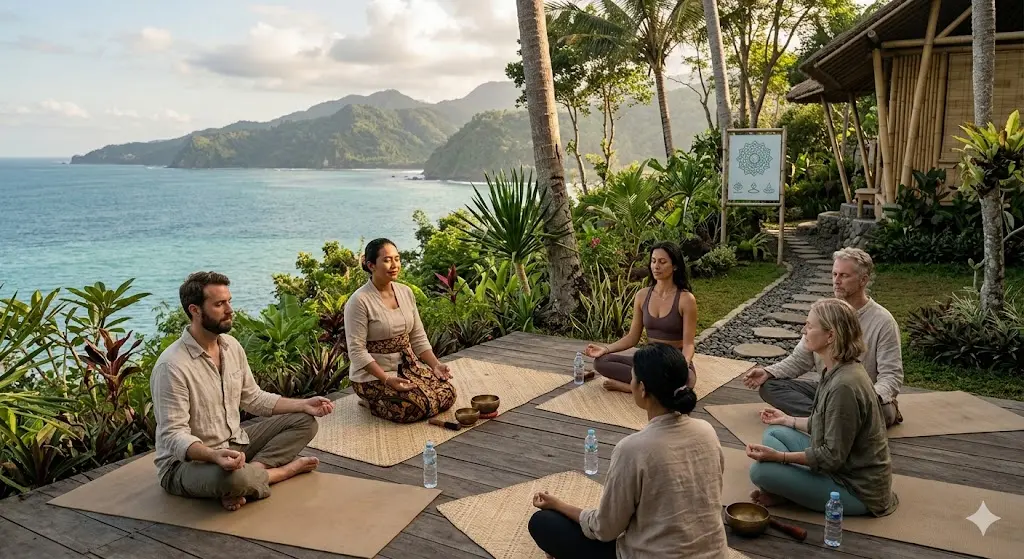
Why Mental Health Is Reshaping the Global Tourism Industry comes down to one major shift: people no longer travel only for entertainment. More travelers now want emotional recovery, reduced stress, better sleep, and experiences that improve their mental well-being. Tourism businesses that understand this are adapting faster than those still focused only on luxury or sightseeing.
Mental health is reshaping the tourism industry because travelers increasingly prioritize wellness, emotional balance, and stress recovery when planning trips. Hotels, airlines, resorts, and travel brands are redesigning experiences around relaxation, mindfulness, digital detoxing, and healthier lifestyles to meet changing consumer expectations.
Why Mental Health Is Reshaping the Global Tourism Industry has become a serious conversation across hospitality, wellness travel, and international tourism markets. Travel used to center mostly around adventure, shopping, or status. Now people often book trips because they feel exhausted, overwhelmed, emotionally disconnected, or burned out from work.
That change is affecting everything from hotel design to airline services.
I’ve personally noticed that travelers today ask different questions than they did a few years ago. Instead of only looking for nightlife or tourist attractions, many want quiet spaces, healthier routines, nature-focused experiences, and less pressure during vacations. Honestly, it says a lot about how stressful modern life has become.
What Is Mental Health Tourism and Why Does It Matter?
Mental Health Tourism: Travel experiences designed to support emotional wellness, stress reduction, relaxation, mindfulness, and psychological recovery.
Mental health tourism goes beyond spa packages or traditional wellness retreats. It includes travel experiences intentionally built around emotional well-being.
This can involve:
Nature-focused travel
Digital detox vacations
Meditation retreats
Sleep recovery programs
Slow tourism experiences
Wellness-centered hotels
Stress-management travel packages
What most people overlook is that mental health tourism isn’t limited to wealthy travelers anymore. Middle-income travelers, students, remote workers, and families are also prioritizing emotional well-being when planning trips.
That’s changing the entire tourism economy.
Expert Tip
Tourism brands that focus on emotional comfort instead of only luxury tend to build stronger long-term customer loyalty. Travelers remember how a destination made them feel, not just what they photographed.
Why Mental Health Matters in Tourism in 2026
Mental health has become central to global tourism because modern lifestyles are emotionally exhausting. Burnout, digital overload, work pressure, and social anxiety are influencing travel decisions more than many tourism companies expected.
By 2026, travelers are actively seeking experiences that help them mentally reset.
Travelers Want Recovery, Not Just Entertainment
Here’s the thing: many people now see vacations as recovery periods rather than reward experiences.
That subtle difference matters.
A traveler dealing with constant notifications, long work hours, and emotional fatigue often values:
Quiet environments
Flexible schedules
Sleep-friendly accommodations
Less crowded destinations
Personalized wellness support
This trend is especially strong among younger travelers and remote workers.
Wellness Travel Is Becoming Mainstream
Wellness tourism used to feel niche or overly expensive. Not anymore.
Hotels now advertise:
Mindfulness sessions
Mental wellness packages
Guided breathing programs
Tech-free rooms
Nature immersion activities
Airports and airlines are also adapting. Some now provide meditation areas, low-sensory lounges, and stress-reduction services for anxious travelers.
A few years ago, that probably sounded unnecessary. Today it feels almost expected.
Social Media Burnout Is Influencing Travel
One unexpected shift is that social media itself is driving demand for calmer travel experiences.
People spend so much time performing online that vacations increasingly become opportunities to disconnect from constant digital comparison.
Ironically, travel once fueled social media obsession. Now many travelers want breaks from it.
That’s a pretty dramatic cultural change.
Expert Tip
Destinations that market emotional experiences instead of crowded attractions often attract higher-value visitors who stay longer and spend more consistently.
How Tourism Businesses Are Adapting — Step by Step
Travel companies aren’t ignoring these changes. Many are redesigning services around emotional wellness and healthier travel experiences.
1. Creating Wellness-Centered Experiences
Hotels and resorts now include mental wellness in their core offerings rather than treating it like an extra service.
Examples include:
Guided relaxation programs
Sleep optimization rooms
Yoga-based retreats
Quiet wellness zones
Some properties even remove televisions entirely from certain rooms to encourage rest.
2. Designing Less Stressful Travel Experiences
Long check-in lines, overcrowded spaces, and confusing booking systems increase traveler anxiety.
Smart tourism brands are simplifying customer experiences through:
Mobile check-ins
Personalized itineraries
Flexible booking policies
Calmer interior design
Small operational changes can reduce stress more than expensive luxury upgrades.
3. Promoting Nature-Based Tourism
Nature tourism has expanded rapidly because travelers associate outdoor environments with emotional recovery.
People increasingly choose:
Mountain retreats
Forest cabins
Coastal wellness trips
Eco-tourism experiences
In my experience, travelers often return from nature-focused trips feeling mentally lighter even when the accommodations are simple.
4. Supporting Digital Detox Travel
Digital detox tourism is growing because constant connectivity creates emotional fatigue.
Some hotels now encourage:
Phone-free activities
Limited-screen environments
Offline wellness programs
Slow travel schedules
At first glance, this might seem restrictive. But many travelers actually find it freeing.
5. Training Staff for Emotional Awareness
Tourism employees increasingly receive training in customer empathy and emotional communication.
That doesn’t mean staff become therapists. It simply means businesses recognize that emotional comfort shapes customer satisfaction.
A calm interaction during a stressful travel delay can completely change someone’s perception of a trip.
Expert Tip
Travel brands that reduce decision fatigue often receive better customer reviews. Too many activity choices sometimes create stress rather than enjoyment.
A Counterintuitive Truth About Modern Travel
One surprising reality is that travelers are starting to avoid overly packed itineraries.
That’s a major shift from older tourism trends.
For years, travel companies promoted nonstop activity:
Multiple destinations in one week
Tight schedules
Endless excursions
Constant entertainment
Now many travelers intentionally slow down.
A realistic example would be a remote worker booking a two-week countryside stay with limited activities instead of a fast-paced city tour. They may spend more time resting, walking outdoors, reading, or simply disconnecting from work pressure.
Oddly enough, those slower trips often feel more meaningful.
Common Mistake Tourism Brands Still Make
Confusing Luxury With Emotional Wellness
Some travel brands assume expensive experiences automatically improve mental health. That’s not always true.
Luxury without emotional comfort can still feel exhausting.
For example:
Overcrowded luxury resorts may increase stress
Highly scheduled vacations can create anxiety
Constant tourist activities may leave travelers emotionally drained
What actually works is simplicity, flexibility, and emotional ease.
Let me be direct here: a peaceful environment with thoughtful service often creates a better emotional experience than excessive luxury features.
How Mental Health Is Changing Destination Marketing
Tourism marketing itself is evolving because travelers respond differently now.
Older travel advertising focused heavily on:
Fast excitement
Party culture
Status-driven luxury
Busy attractions
Modern tourism campaigns increasingly highlight:
Calm environments
Wellness experiences
Emotional balance
Authentic local culture
Slower living
Travelers want experiences that feel restorative rather than performative.
And honestly, that shift was probably overdue.
Expert Tip
Destinations promoting emotional recovery usually benefit from stronger repeat tourism because travelers associate those places with personal well-being.
What Actually Works for Tourism Brands
From what I’ve seen, tourism businesses succeed when they genuinely understand traveler exhaustion instead of simply rebranding old services with wellness buzzwords.
Here are the approaches that consistently perform well:
Prioritize Simplicity
Complicated travel experiences increase stress quickly.
Clear communication, flexible scheduling, and calm environments matter more than people realize.
Create Emotional Safety
Travelers appreciate spaces where they feel relaxed rather than pressured.
Simple things help:
Friendly staff interactions
Quiet accommodations
Comfortable pacing
Transparent pricing
Offer Flexible Wellness
Not every traveler wants structured wellness programs.
Some simply want:
Better sleep
Less noise
Healthier meals
More personal space
That flexibility matters.
Don’t Overcommercialize Wellness
Here’s my hot take: some tourism brands are trying too hard to monetize mental health trends.
Travelers can usually tell when wellness marketing feels fake.
Authenticity matters far more than trendy wellness branding.
The Economic Impact of Mental Health Tourism
Mental health-focused tourism is influencing global travel spending in major ways.
Travelers are increasingly willing to pay for:
Wellness-focused accommodations
Extended recovery trips
Personalized travel experiences
Sustainable tourism options
That creates opportunities for:
Resorts
Airlines
Wellness retreat operators
Local tourism economies
Rural destinations
Interestingly, smaller destinations often benefit because travelers seeking emotional recovery tend to avoid overcrowded tourist hubs.
People Most Asked About Why Mental Health Is Reshaping the Global Tourism Industry
Why is mental health becoming important in tourism?
Travelers increasingly view vacations as opportunities for emotional recovery and stress reduction. Mental wellness now influences destination choices, accommodation preferences, and travel behavior.
What is wellness tourism?
Wellness tourism refers to travel experiences focused on improving physical, emotional, and mental well-being. This may include mindfulness retreats, spa programs, nature travel, and digital detox vacations.
Are travelers really prioritizing mental health?
Yes, especially younger travelers, professionals, and remote workers. Many people now seek calmer, healthier, and less stressful travel experiences instead of nonstop activity-packed vacations.
How are hotels adapting to mental health trends?
Hotels are introducing wellness-focused services such as meditation rooms, sleep-friendly accommodations, quiet zones, healthier dining options, and personalized wellness programs.
Does digital detox travel actually work?
In many cases, yes. Reducing screen time during travel can improve relaxation, sleep quality, and emotional focus. Many travelers report feeling mentally refreshed after disconnecting from constant online activity.
Why are slow travel experiences becoming popular?
Slow travel allows people to experience destinations without constant rushing or overstimulation. Travelers often find slower trips more emotionally satisfying and less stressful.
Can smaller tourism businesses benefit from wellness travel trends?
Absolutely. Small hotels, eco-retreats, rural accommodations, and local tourism providers often attract wellness-focused travelers looking for authentic and peaceful experiences.
Why Mental Health Is Reshaping the Global Tourism Industry ultimately reflects a larger cultural shift. People are becoming more aware of emotional exhaustion, burnout, and the need for recovery in everyday life.
Tourism businesses that understand this shift are creating experiences built around calmness, flexibility, and emotional well-being rather than nonstop stimulation. The future of travel probably won’t belong to the loudest destinations. It’ll belong to the places that genuinely help people feel better.
Businesses aiming to increase organic traffic, media coverage, and SEO ranking can strengthen their online presence through professional PR distribution services combined with targeted local SEO services. These platforms help agencies, startups, bloggers, and SEO professionals secure high authority backlinks, instant publishing opportunities, and stronger brand visibility through trusted digital promotion strategies.