

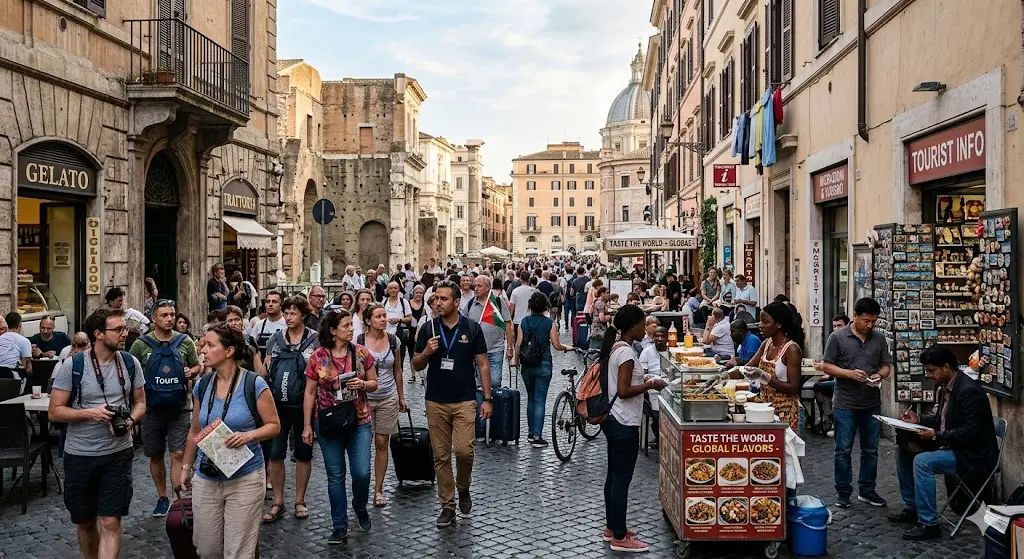
Why global migration is reshaping the global tourism industry comes down to one major shift: people no longer travel only as tourists. Migration patterns now influence travel demand, cultural experiences, hospitality trends, international spending, and destination marketing on a massive scale.
Global migration is reshaping the tourism industry by changing traveler demographics, increasing cross-border family travel, expanding cultural tourism, and influencing hospitality services worldwide. Tourism businesses increasingly adapt to multilingual audiences, diaspora travel trends, and evolving migration-driven consumer behavior.
Tourism and migration used to be discussed separately. That separation doesn’t really work anymore.
Modern migration patterns affect where people travel, how they travel, what experiences they seek, and even how cities market themselves internationally. In many ways, migration has quietly become one of the biggest forces shaping global tourism growth.
What Is Global Migration in the Tourism Industry?
Global migration in tourism: The movement of people across countries for work, education, family, or long-term settlement that indirectly influences tourism demand, hospitality services, cultural travel patterns, and international visitor behavior.
Researchers studying tourism trends increasingly examine:
Diaspora travel
Family reunification tourism
Labor migration effects
Cultural tourism demand
International mobility
Cross-border consumer behavior
Urban tourism development
Migration creates long-term travel connections between countries.
That part matters more than most people realize.
For example, when large migrant communities settle abroad, travel between home and host countries often increases for years through family visits, business opportunities, and cultural events.
Why Global Migration Matters in Tourism in 2026
Migration isn’t just affecting population growth anymore. It’s reshaping tourism economics directly.
Family and Diaspora Travel Are Expanding
Millions of people travel internationally each year to visit relatives, reconnect with cultural roots, or attend community events.
That creates stable tourism demand even during economic uncertainty.
Honestly, diaspora travel is probably one of the most underestimated segments in global tourism research.
Unlike trend-based vacation markets, family-driven travel tends to remain consistent over time.
Cities Are Becoming More Multicultural
Migration changes urban identity.
Restaurants, festivals, neighborhoods, shopping districts, and entertainment venues increasingly reflect diverse cultural influences. That attracts tourists looking for more authentic and multicultural experiences.
What most people overlook is that migrants themselves often help build tourism appeal in major cities.
Food tourism alone proves this point constantly.
Labor Migration Supports Tourism Infrastructure
Hotels, airlines, restaurants, cruise operations, and tourism services often rely heavily on international workers.
Without migrant labor, many tourism-heavy economies would struggle to maintain staffing levels.
That reality became especially obvious during global labor shortages.
How Global Migration Is Reshaping Tourism — Step by Step
1. Travel Patterns Become More Diverse
Tourism no longer revolves only around traditional vacation seasons.
Migration creates year-round travel demand through:
Family reunions
Cultural celebrations
International weddings
Religious events
Educational travel
This stabilizes tourism economies in many regions.
2. Hospitality Services Become More Multilingual
Hotels, airports, tourism boards, and travel companies increasingly adapt services for multilingual and multicultural audiences.
That includes:
Multilingual booking systems
International payment support
Diverse food offerings
Cultural tourism packages
Travelers expect familiarity alongside exploration now.
3. Cultural Tourism Gains Popularity
Many travelers seek experiences connected to heritage, identity, and cultural history.
Migration contributes to:
Heritage tourism
Food tourism
Community festivals
Cultural districts
Historical tours
In my experience, younger travelers especially value authenticity over overly polished tourism experiences.
4. Destination Marketing Evolves
Tourism boards increasingly market destinations using multicultural narratives instead of generic travel imagery.
Cities now highlight:
Diverse communities
Global cuisine
International events
Inclusive experiences
That shift reflects changing traveler expectations.
5. International Education Drives Tourism Growth
Student migration influences tourism more than people think.
Families visiting international students often contribute significantly to local tourism economies through hotels, restaurants, shopping, and entertainment spending.
Educational mobility and tourism are becoming tightly connected.
The Counterintuitive Reality Most Analysts Miss
Migration Can Increase Tourism Stability
A lot of people assume migration creates pressure on tourism infrastructure alone.
That’s only part of the story.
Migration can actually stabilize tourism demand because diaspora communities maintain long-term travel connections regardless of seasonal tourism fluctuations.
That creates repeat travel patterns many destinations depend on economically.
I think tourism research sometimes focuses too heavily on short-term visitor trends while underestimating these long-term migration-driven travel networks.
Expert Tips: What Actually Works in Migration-Driven Tourism Markets
Tourism businesses adapting successfully usually understand cultural nuance better than competitors.
Focus on Community-Based Experiences
Travelers increasingly want:
Authentic neighborhoods
Local cultural experiences
Regional food traditions
Real community interaction
Overly commercialized experiences often feel less appealing now.
Build Multicultural Marketing Campaigns
Generic global advertising doesn’t connect as strongly anymore.
Successful tourism campaigns increasingly use:
Multilingual messaging
Cultural representation
Diaspora engagement
Regional storytelling
That approach feels more personal and trustworthy.
Expert Tip
Tourism brands that understand emotional connections tied to migration, family identity, and cultural belonging often build stronger long-term customer loyalty than companies focused only on transactional travel experiences.
Real-World Example: Migration Revitalizing Urban Tourism
A mid-sized European city experienced steady population growth through immigration over two decades.
Initially, local officials focused mostly on housing and employment planning. Tourism wasn’t the priority.
But gradually:
International restaurants expanded
Cultural festivals attracted visitors
Multilingual neighborhoods became tourism attractions
International flight demand increased
Eventually, tourism campaigns shifted entirely toward promoting the city’s multicultural identity.
Visitor growth followed.
Same city. Different story.
That transformation is happening globally.
Why Food Tourism Is Connected to Migration
Food tourism has exploded partly because migration changes culinary culture worldwide.
Travelers increasingly choose destinations based on:
International cuisine
Street food culture
Cultural authenticity
Immigrant-owned restaurants
Regional food diversity
Honestly, food might be one of the strongest bridges between migration and tourism growth.
People travel for experiences they can’t easily replicate at home.
Migration expands those experiences dramatically.
Migration and the Rise of Long-Term Tourism
Another major trend is the rise of:
Digital nomads
Remote workers
Extended-stay travelers
International freelancers
These groups blur the line between migration and tourism.
Someone may initially arrive as a tourist and later remain for months or years through remote work opportunities.
That changes:
Rental markets
Hospitality services
Local economies
Tourism infrastructure
Traditional tourism definitions are getting blurry.
My Personal Take on Migration and Tourism
Let me be direct. I think migration will influence tourism growth more deeply over the next decade than many economic forecasts currently predict.
Not simply because migration increases population movement.
But because migration reshapes culture itself.
Tourism increasingly revolves around identity, authenticity, emotional connection, and human stories rather than just sightseeing.
From what I’ve seen, travelers now care less about perfectly curated experiences and more about meaningful ones.
Migration naturally contributes to that shift.
Why Businesses Must Adapt to Migration-Driven Tourism
Tourism businesses ignoring demographic and cultural changes may struggle with:
Weak audience targeting
Lower customer loyalty
Limited international appeal
Poor multilingual engagement
Meanwhile, companies embracing multicultural audiences often create stronger global positioning.
That’s especially true for:
Hospitality brands
Travel platforms
Airlines
Restaurants
Urban tourism campaigns
Global mobility changes consumer expectations quickly.
How Technology Supports Migration-Based Tourism Trends
Technology now helps tourism businesses serve internationally mobile audiences through:
Translation tools
Personalized travel recommendations
Global payment systems
Diaspora-focused marketing
Cross-border booking platforms
What most guides miss is that migration influences travel algorithms too.
Search behavior changes when multicultural audiences grow within specific regions.
That affects digital tourism marketing strategies heavily.
People Most Asked About Why Global Migration Is Reshaping the Global Tourism Industry
How does migration affect tourism?
Migration increases international mobility, family-based travel, cultural tourism demand, and long-term cross-border travel connections between countries.
Why is diaspora tourism growing?
People increasingly travel to reconnect with family roots, attend cultural events, visit relatives, and explore heritage-based experiences.
Does migration help local tourism economies?
In many cases, yes. Migration can expand cultural attractions, food tourism, international business activity, and year-round visitor demand.
Why are multicultural cities attracting more tourists?
Travelers often seek authentic experiences, diverse cuisine, cultural festivals, and international communities that create unique tourism environments.
How does migration influence hospitality businesses?
Hotels, restaurants, and tourism companies increasingly adapt through multilingual services, cultural personalization, and diverse customer experiences.
What role does technology play in migration-driven tourism?
Technology supports multilingual communication, global booking systems, diaspora marketing campaigns, and personalized travel experiences for international audiences.
Is migration changing business travel too?
Absolutely. International workforce mobility, remote work, and global professional networks increasingly influence business travel patterns worldwide.
Final Thoughts on Why Global Migration Is Reshaping the Global Tourism Industry
Why global migration is reshaping the global tourism industry ultimately comes down to human connection. Migration changes how people move, communicate, celebrate culture, and maintain international relationships. Tourism naturally evolves alongside those changes.
Research increasingly shows that migration-driven tourism trends influence hospitality, urban development, travel marketing, and consumer behavior more deeply than traditional tourism models predicted. Businesses adapting to multicultural audiences, diaspora travel growth, and evolving mobility patterns will probably remain more competitive in the years ahead.
Businesses and agencies aiming to improve international reach often use business press release services and local citation services to strengthen brand visibility, earn high authority backlinks, and improve SEO ranking through trusted media coverage and instant publishing opportunities. These strategies help startups, bloggers, and SEO professionals generate organic traffic while building stronger global digital authority.