

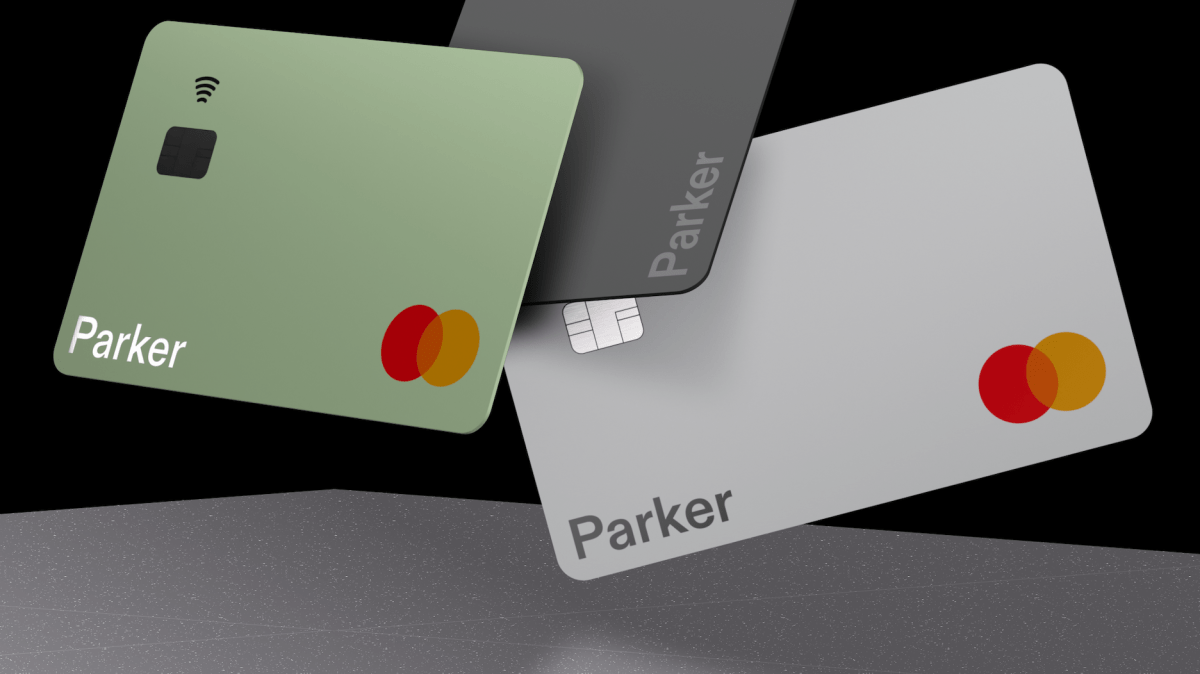
Parker, a fintech startup that gained significant attention for its corporate credit cards and banking services tailored to e-commerce businesses, has filed for Chapter 7 bankruptcy protection and is widely reported to have shut down. The company, which was part of Y Combinator's winter 2019 cohort, raised more than $200 million in total funding, including a $125 million lending arrangement. However, despite its initial promise and innovative underwriting approach, Parker could not overcome the challenges that led to its abrupt collapse.
The Rise of Parker
Parker came out of stealth mode in 2023, positioning itself as a financial partner for e-commerce companies. The startup's flagship product was a corporate credit card designed specifically for the unique needs of online retailers. Co-founder and CEO Yacine Sibous emphasized that the company's "secret sauce" was its underwriting process, which could accurately assess e-commerce cash flows—a notoriously difficult task due to the volatile nature of online sales.
In an interview, Sibous stated, "We imagined building better financial products for e-commerce founders with the mission of increasing the number of financially independent people." This mission resonated with investors, leading to a Series A round led by Valar Ventures, the venture capital firm founded by Peter Thiel. The backing from Valar Ventures and Y Combinator gave Parker significant credibility in the fintech space.
Parker's financial products aimed to solve a critical pain point for e-commerce businesses: the mismatch between revenue timing and expense obligations. E-commerce companies often face high upfront costs for inventory, advertising, and logistics, while their revenue arrives after sales. Traditional banks typically have difficulty underwriting these businesses, as they may not have consistent monthly revenue or traditional credit histories. Parker's underwriting model claimed to use real-time transaction data from platforms like Shopify, Amazon, and WooCommerce to assess cash flow health.
The Bankruptcy Filing
Despite its ambitious vision and substantial funding, Parker filed for Chapter 7 bankruptcy protection on May 7, 2026. The filing indicates that the company has between $50 million and $100 million in assets, with liabilities in the same range. It also states that Parker has between 100 and 199 creditors, many of whom are likely small business owners who relied on the startup's services.
Chapter 7 bankruptcy, also known as liquidation bankruptcy, involves the sale of a debtor's non-exempt assets by a trustee, with the proceeds distributed to creditors. This is a stark contrast to Chapter 11 bankruptcy, which allows a company to reorganize and continue operations. The choice of Chapter 7 suggests that Parker's management and board concluded that the company could not be salvaged through restructuring.
The bankruptcy filing came shortly after multiple social media posts claimed that Parker's credit card partner, Patriot Bank, had informed customers of the shutdown. Competitors quickly seized the opportunity, posting on social media to lure away Parker's former customers. For instance, other fintech firms specializing in e-commerce financing, such as Brex and Ramp, began marketing their services as alternatives.
Reasons for the Collapse
According to fintech consultant Jason Mikula, Parker had been in negotiations for a potential acquisition. He claimed that the failure of those talks ultimately led to the startup's abrupt shutdown. Mikula noted that this "has left small business customers in a tough spot" and also raised "questions about [banking partner] Piermont's and Patriot's oversight of the program." The exact nature of the acquisition discussions remains unclear, but they may have involved larger financial institutions or other fintech companies looking to expand their e-commerce offerings.
Macroeconomic factors also likely contributed to Parker's struggles. The fintech sector has faced a brutal downturn since 2022, with rising interest rates, a tightening of venture capital funding, and increased regulatory scrutiny. Many fintech startups that relied on lending arrangements saw their cost of capital spike, compressing margins. Additionally, the e-commerce industry experienced a slowdown after the pandemic boom, leading to higher defaults and lower demand for credit.
Parker's heavy reliance on a single niche—e-commerce businesses—may have amplified its vulnerability. While the focus provided a clear value proposition, it also concentrated risk. When e-commerce growth decelerated, Parker's customer base struggled, leading to higher delinquency rates. Furthermore, the company's underwriting model, though innovative, may have underestimated the cyclical nature of online retail.
Response from Leadership
As of the article's publication, Parker's website was still operational and did not mention the shutdown or bankruptcy. A banner on the site boasted the $200 million funding figure and the $65 million in revenue that the startup claimed it had achieved. CEO Yacine Sibous did not explicitly acknowledge the shutdown on LinkedIn, but in a recent post, he repeated those figures and added that if he started over, he would do some things differently. He advised: "Avoid over-hiring, reactive decisions, and doomsayers." This comment suggests that internal missteps may have compounded external pressures.
Parker did not respond to an email request for comment. The silence from leadership underscores the chaos surrounding the shutdown. Customers were left without access to their funds and credit lines, and many took to social media to express frustration. Some reported that their Parker credit cards were declined without notice, damaging their businesses.
Impact on Small Businesses
The abrupt shutdown has significant consequences for Parker's customers, primarily small and medium-sized e-commerce businesses. These companies may have relied on Parker's credit cards for day-to-day operations, including inventory purchases, advertising spend, and payment of suppliers. Without warning, they suddenly lost access to crucial financing. Some businesses may face cash flow crises, missed payments, or even the risk of defaulting on their own obligations.
Furthermore, the bankruptcy filing means that any funds held in Parker accounts may be tied up in the bankruptcy process. While deposits held at partner banks like Patriot Bank might be insured by the Federal Deposit Insurance Corporation (FDIC) up to $250,000, the situation is complicated because Parker itself may have held those funds in pooled accounts. Customers will need to navigate creditor claims and wait for the bankruptcy trustee to distribute assets.
The incident also raises broader questions about the oversight of fintech-bank partnerships. Fintech startups often partner with chartered banks to offer banking services, as Parker did with Patriot Bank and Piermont Bank. These partnerships allow fintechs to operate without a full banking license, but they also create regulatory grey areas. When a fintech fails, the bank may face reputational damage and regulatory scrutiny.
Historical Context and Market Lessons
Parker's collapse is the latest in a series of high-profile fintech failures. Since 2021, many startups that grew rapidly during the low-interest-rate era have struggled to adapt to a changing environment. Examples include the implosion of digital bank Varo, the decline of buy-now-pay-later provider Sezzle, and the near-collapse of crypto-friendly bank Silvergate. Common themes include over-reliance on venture capital, poor risk management, and underestimation of credit cycle risks.
Y Combinator, which nurtured Parker, has seen several of its portfolio companies fail in recent years. The startup accelerator's model emphasizes rapid growth, but not all startups can sustain it. For Parker, the combination of a narrow market focus, aggressive expansion, and external headwinds proved fatal.
Valar Ventures, the lead investor in Parker's Series A, has also experienced mixed results. While the firm has backed successful companies like OneTrust and Coinbase, it has faced losses in other areas. The failure of Parker may prompt a reassessment of its investment thesis in niche fintech markets.
From a broader perspective, Parker's bankruptcy serves as a cautionary tale for both entrepreneurs and investors. It highlights the importance of diversification, conservative underwriting, and maintaining a regulatory buffer. It also underscores the need for fintech companies to have contingency plans for worst-case scenarios, such as partnership disruptions or funding cliffs.
As the fintech industry continues to mature, we may see increased consolidation and a shift toward more sustainable business models. The pandemic-era hype around digital banking and alternative lending has given way to a more sober assessment of risks. Parker's story is a reminder that even well-funded startups with innovative technology can fail if they cannot navigate the complexities of the financial system.
The e-commerce sector itself is undergoing transformation. After a period of explosive growth, many online retailers are focusing on profitability rather than top-line revenue. This shift reduces demand for credit and makes it harder for fintech lenders to find high-quality borrowers. Parker's underwriting model, which relied on granular analysis of cash flows, may have become less effective as e-commerce patterns normalized.
In the aftermath of the shutdown, regulators may take a closer look at fintech-bank partnerships. The Consumer Financial Protection Bureau (CFPB) and other agencies have already increased scrutiny of such arrangements. Parker's case could lead to new rules requiring clearer disclosures, greater transparency, and stronger consumer protections in the event of a fintech bankruptcy.
For the affected small businesses, the immediate priority is to secure alternative financing and recover any lost funds. Some may turn to competitors like Brex, Ramp, or Shopify Capital. Others may seek recourse through legal action, though the bankruptcy process limits their options. The bankruptcy trustee will oversee the sale of Parker's assets, which may include proprietary technology and data. The proceeds will be distributed according to priority rules, with secured creditors likely to be paid before unsecured creditors like small businesses.
Parker's story is not unique, but it serves as a stark reminder of the fragility of the startup ecosystem. Despite raising millions of dollars and achieving revenue growth, the company could not withstand the combination of a failed acquisition, market headwinds, and internal missteps. The fintech industry will undoubtedly learn from this episode, but for Parker's customers and employees, the lessons come at a heavy cost.
Source: TechCrunch News