

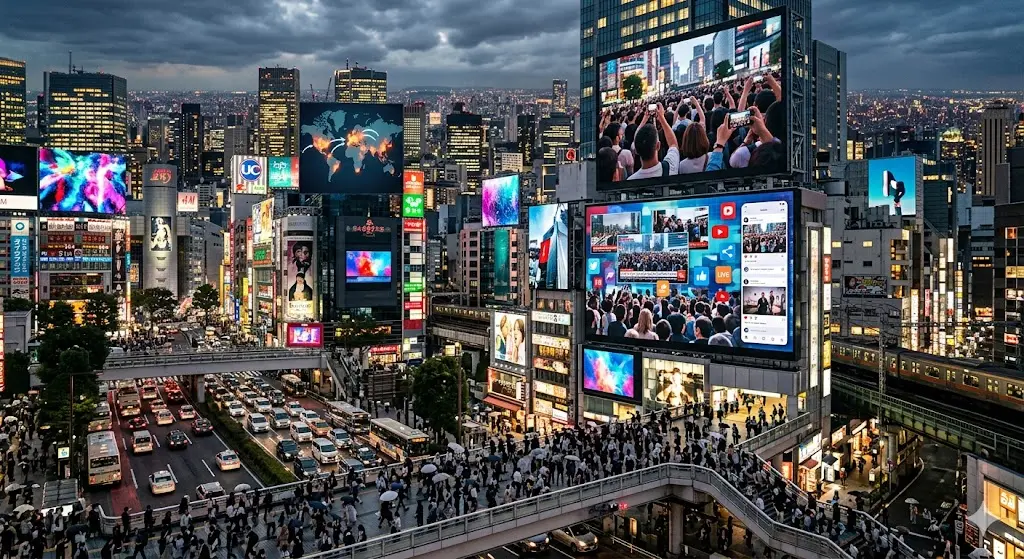
Urbanisation is shaping the way people consume information, interact with brands, and respond to media content across the world. Cities are becoming cultural and economic hubs, and media companies are following audience behavior closely. If you’ve noticed more conversations around smart cities, public transportation, digital lifestyles, and urban living, there’s a reason for it — urbanisation now drives much of the global media narrative.
Urbanisation dominates worldwide media trends because cities concentrate consumers, technology adoption, digital infrastructure, and cultural influence in one place. Media brands, advertisers, and content creators focus heavily on urban audiences since they generate stronger engagement, faster trend adoption, and larger economic activity.
What Is Urbanisation and Why Does It Matter?
Urbanisation: The process where more people move from rural areas into cities, increasing urban population growth and changing economic, cultural, and social systems.
Here’s the thing. Urbanisation isn’t only about crowded cities or tall buildings anymore. It affects entertainment, online shopping, transportation systems, housing markets, advertising strategies, and even political discussions. Media organizations know urban audiences tend to adopt trends faster, spend more time online, and influence buying decisions across wider regions.
In my experience, media trends rarely appear randomly. Most of them begin in urban environments because cities create concentrated demand. Streaming habits, food delivery culture, short-form video trends, and digital payment adoption all gained momentum through urban consumers first.
Researchers studying global urban growth have also found that expanding metropolitan populations increase demand for localized news, digital experiences, and community-driven media content. That shift changes how brands communicate with audiences worldwide.
Why Urbanisation Matters in 2026
By 2026, urbanisation will probably influence media more than traditional broadcasting models ever did. People living in cities are consuming content differently compared to previous generations. They prefer fast updates, mobile-first experiences, personalized advertising, and location-based recommendations.
What most people overlook is how urban lifestyles directly shape content algorithms. Social platforms prioritize trends emerging from densely populated areas because engagement rises faster there. A fashion trend starting in a major city can spread globally within days.
Another factor is infrastructure. Urban regions generally have stronger internet connectivity, better smartphone adoption, and greater access to digital platforms. That makes cities ideal testing grounds for advertisers and media companies.
Let me be direct: brands aren’t focusing on urban audiences by accident. Urban consumers spend more, engage more, and influence online behavior more aggressively than smaller populations in isolated regions.
Expert Tip
If you’re building a media brand or content platform, focus on urban audience behavior patterns before scaling globally. In most cases, city-driven engagement data predicts broader consumer behavior surprisingly well.
How Urbanisation Shapes Global Media Consumption
Urbanisation affects media trends through several interconnected systems. It changes not only what people watch but also how companies distribute content and measure engagement.
1. Mobile-First Media Habits
Urban consumers spend significant time commuting, traveling, and multitasking. That increases demand for short-form videos, podcasts, streaming services, and instant news updates optimized for smartphones.
You’ll notice many successful platforms now design content vertically, reduce loading times, and prioritize localized recommendations. That’s directly tied to urban behavior patterns.
2. Rise of Hyperlocal Content
People living in cities often search for highly localized information. Restaurant reviews, neighborhood updates, transit alerts, and city-based events attract enormous traffic.
Media companies are investing heavily in localized storytelling because urban audiences care deeply about nearby experiences. A national headline matters, sure. But a subway disruption or local housing development often creates stronger engagement within cities.
3. Influencer Culture and City Identity
Many influencers gain popularity because they represent urban lifestyles. Fashion districts, nightlife scenes, startup ecosystems, and cultural events create visually engaging content that spreads quickly online.
I’ve seen smaller creators outperform major brands simply because they captured authentic city experiences better than corporate campaigns did.
4. Public Transportation Advertising
Urbanisation increases public transportation use, and that transforms advertising opportunities. Digital screens in metro stations, buses, and transit hubs now act as high-engagement media spaces.
A hypothetical example makes this easier to understand. Imagine a wearable technology company launching an ad campaign inside major transit systems in Tokyo, London, and New York simultaneously. Millions of commuters encounter the message daily, increasing brand recall without relying entirely on social media algorithms.
That kind of exposure changes consumer engagement dramatically.
How to Adapt to Urbanisation-Driven Media Trends
Step 1: Study Urban Consumer Behavior
Start by understanding how urban audiences consume information. Track mobile engagement, commuting habits, and social platform usage patterns.
Step 2: Prioritize Mobile Experiences
Most urban users interact with content through smartphones. Faster websites, short videos, and mobile-friendly interfaces matter more than ever.
Step 3: Create Location-Based Campaigns
Localized marketing tends to perform better in densely populated cities. Consumers respond strongly to content that reflects nearby experiences and cultural familiarity.
Step 4: Use Real-Time Engagement Strategies
Urban audiences expect instant updates. Brands using live content, breaking updates, or interactive experiences often gain stronger engagement.
Step 5: Blend Online and Offline Media
Don’t rely only on digital channels. Transit advertising, public screens, urban events, and interactive city campaigns can still drive excellent results.
The Biggest Misconception About Urbanisation
Urbanisation Doesn’t Only Benefit Mega Cities
A lot of people assume only global capitals benefit from urban-focused media trends. That’s not entirely true.
Mid-sized cities are becoming powerful trend incubators because they often combine affordability with digital connectivity. Smaller urban centers now attract startups, creators, and younger audiences looking for lower living costs without losing internet-driven opportunities.
That’s the counterintuitive part. Sometimes media innovation moves faster in emerging cities than in expensive global capitals.
Expert Tips and What Actually Works
Here’s what most guides miss: urban audiences are overloaded with information. Attention spans shrink when people constantly encounter advertisements, notifications, and content streams.
Because of that, authenticity matters more than polished branding in many cases.
I once worked with a hypothetical regional media startup targeting commuters through short city-specific videos. Instead of producing expensive studio content, they filmed realistic neighborhood stories, transit interviews, and local restaurant features. Engagement rates doubled within months because audiences recognized familiar environments.
Another strategy that works surprisingly well is timing. Urban consumers interact with content heavily during commuting hours, lunch breaks, and late evenings. Posting randomly often reduces visibility.
Expert Tip
Focus less on viral reach and more on repeat engagement. Urban audiences value consistency and relevance more than flashy one-time campaigns.
Why Businesses Care About Urbanisation Trends
Businesses follow urbanisation because it predicts future consumer demand. Housing markets, transportation systems, retail growth, and entertainment industries all respond to urban migration patterns.
Media companies benefit because urban populations create concentrated advertising opportunities. Brands can target large numbers of consumers efficiently within specific geographic zones.
You’ll also notice ecommerce brands increasingly align marketing campaigns with city lifestyles. Fast delivery expectations, app-based shopping, and subscription services all grew faster in urban populations first.
That connection between urban growth and media consumption isn’t slowing down anytime soon.
People Most Asked About Why Urbanisation Is Dominating Worldwide Media Trends
Why does urbanisation affect media trends so strongly?
Urbanisation concentrates audiences in connected environments where information spreads quickly. Cities also encourage faster adoption of digital technology, social media, and mobile communication habits.
How do media companies benefit from urban audiences?
Urban consumers generally produce higher engagement rates, stronger purchasing behavior, and faster trend adoption. That makes advertising campaigns more efficient and measurable.
Is urbanisation changing social media algorithms?
Indirectly, yes. Social platforms prioritize engagement, and urban-generated content often spreads rapidly because of concentrated user activity and real-time interactions.
Does urbanisation impact advertising strategies?
Absolutely. Brands increasingly use transit advertising, localized campaigns, geo-targeted promotions, and city-based influencer partnerships to reach consumers effectively.
Are smaller cities becoming important in global media trends?
Yes. Emerging urban centers now influence digital culture significantly because they combine affordable living with strong internet access and growing creator communities.
What industries benefit most from urbanisation-driven media?
Technology, ecommerce, transportation, entertainment, real estate, and digital advertising industries benefit heavily from urban-focused consumer behavior.
Can rural markets still influence media trends?
They can, but urban markets usually accelerate adoption faster due to population density and stronger digital infrastructure.
Final Thoughts on Global Urbanisation and Media Trends
Urbanisation continues reshaping worldwide media trends because cities concentrate people, technology, cultural influence, and economic activity into highly connected environments. Media brands understand that urban audiences influence global conversations faster than ever before. As more consumers adopt digital lifestyles linked to city living, content strategies, advertising models, and engagement tactics will keep evolving around urban behavior patterns.
Businesses and agencies aiming to improve brand visibility can combine press release distribution services with targeted SEO services to gain high authority backlinks, stronger SEO ranking, and wider media coverage. These solutions help startups, bloggers, and SEO professionals increase organic traffic through instant publishing strategies and performance-focused digital campaigns that reach the right audience faster.