

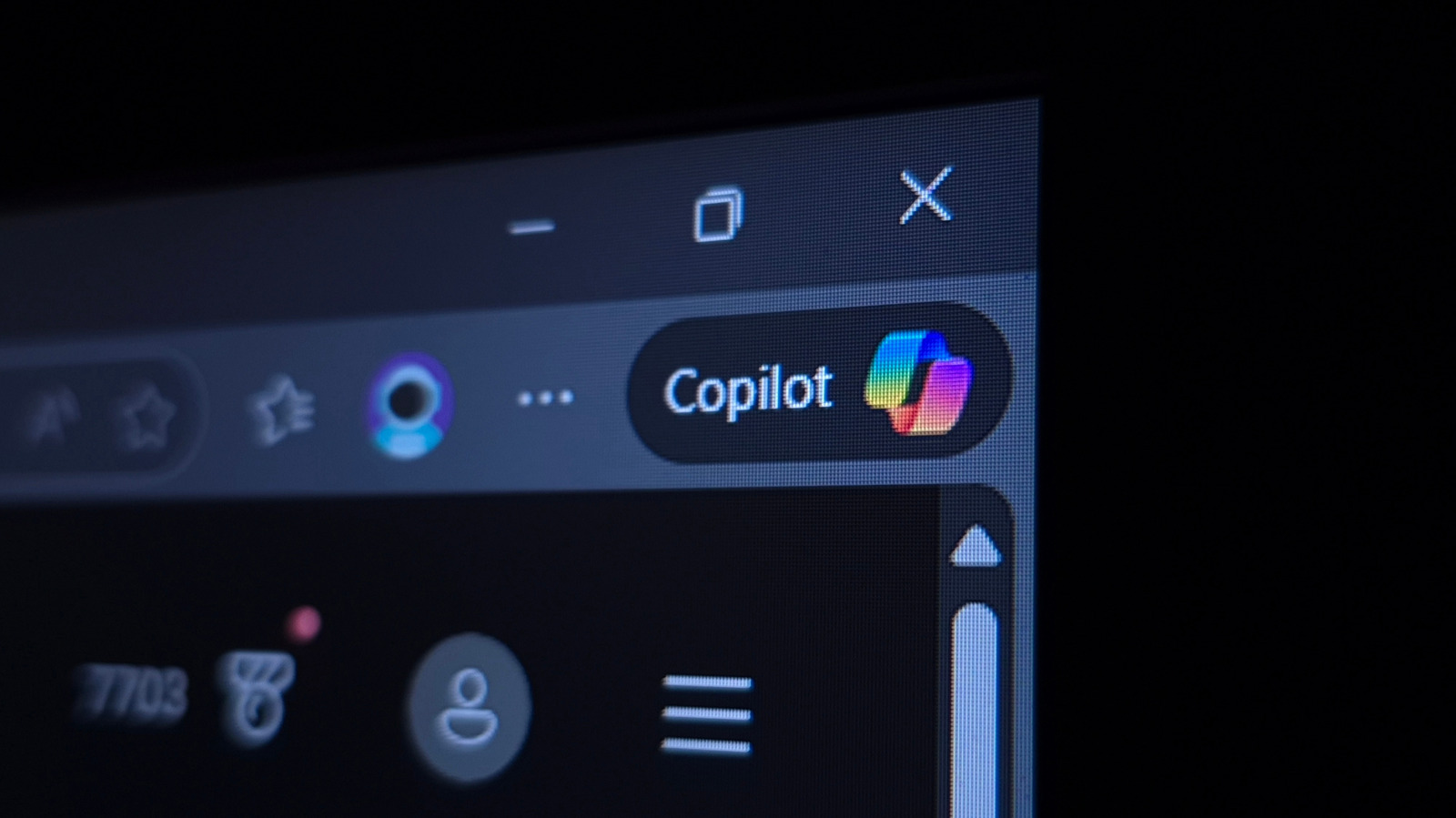
Microsoft has been one of the most aggressive companies in the AI space, with its Copilot feature integrated into various aspects of Windows. However, user feedback has begun to indicate that this focus on AI may be detracting from the overall Windows experience. With reports of problematic updates and performance issues, many users have expressed frustration, leading to a growing backlash against the company’s AI initiatives.
Initially, Microsoft’s leadership defended the use of AI, with CEO Satya Nadella urging users to reconsider their negative perceptions of Copilot. Nevertheless, as discontent among users continued to rise, it became clear that the push for AI was not being well received. In recent weeks, Microsoft has recognized the need to address these concerns, especially as competitors like Linux gain popularity.
In a notable shift, Microsoft has begun to remove the Copilot branding from several applications within Windows. For instance, the Copilot button has been taken out of Notepad in the latest preview builds. Notepad, which is typically a straightforward application, became a point of contention after users reported that the addition of Copilot resulted in unnecessary complexity and even security vulnerabilities. While the Copilot button has been replaced, the AI menu remains, signifying that Microsoft is not completely abandoning its AI ambitions but is instead seeking to rebrand and simplify its approach.
Microsoft's Strategic Shift in Response to User Feedback
Microsoft's recent actions reflect a broader strategy aimed at improving Windows 11 as the company responds to user feedback. The removal of the Copilot branding is just one example of how the company is recalibrating its approach. The Copilot features have also been removed from other applications such as the Snipping Tool and Photos, suggesting that Microsoft is aware of the negative perception surrounding the Copilot brand.
Additionally, Microsoft appears to be shifting its focus back to enhancing core functionalities of Windows. Upcoming updates are expected to restore traditional taskbar features, such as the ability to reposition the taskbar to different sides of the screen, and to streamline Windows Update to make it less intrusive. Improvements are also being planned for File Explorer, which has faced criticism for its sluggishness and bugs in Windows 11.
Competitive Pressures and User Preferences
The timing of Microsoft’s pivot away from a heavy focus on AI coincides with increased competition, particularly from Apple. The recent launch of Apple’s MacBook Neo poses a significant threat to Microsoft, especially in the budget laptop market. Apple's ability to deliver a premium experience at competitive prices may entice users to consider switching from Windows PCs to MacBooks.
Interestingly, Apple has been more cautious about fully embracing AI technologies, with its own planned AI tools remaining limited in scope. While other tech giants are rushing to integrate AI, Apple’s approach suggests that users may favor an operating system that prioritizes reliability and simplicity over an abundance of AI features. Microsoft now faces the challenge of ensuring that users with new Windows 11 devices, particularly budget models, do not experience performance issues or excessive advertisements related to AI functionalities.
Historically, Microsoft has navigated through user backlash before, such as during the troubled launches of Windows Vista and Windows 8. However, how effectively the company can manage this current situation remains to be seen. As users demand a Windows experience that is seamless and efficient, Microsoft’s ability to adapt its strategies will be crucial in retaining its user base and competing effectively in the evolving tech landscape.
Source: SlashGear News