

The journey of technological advancement often highlights the success stories, like smartphones and social media platforms, but a closer look reveals a plethora of peculiar inventions that never made it into the limelight. These quirky devices, while innovative, struggled to find acceptance among the masses, offering insights into the complexities of consumer preferences and market dynamics.
Innovation is inherently unpredictable, and the history of technology is littered with inventions that promised much but ultimately faded into obscurity. Factors such as timing, pricing, and aesthetic appeal can significantly influence a product's success. In this article, we delve into the tales of 15 bizarre tech items that never quite captured the public's imagination.
Sony Rolly
The Sony Rolly was an egg-shaped music player that not only played tunes but also danced to them. This whimsical device utilized rubber wheels to roll around and spin, while its wings opened to reveal stereo speakers. With 1GB or 2GB of internal memory and Bluetooth capability, it offered a unique audio experience, enhanced by the ability to shake it for a playlist shuffle. Despite its quirky charm, a hefty price tag of $399 and shortcomings such as lack of a screen and short battery life led to its downfall.
Nabaztag
The Nabaztag, a Wi-Fi-enabled robotic rabbit, functioned as a personal assistant, reading out the weather, news, and even messages. This quirky device entertained users with tai chi movements and colorful LED displays. Though it garnered a cult following, its limited functionality and high price meant it was more of a novelty. The company behind it went bankrupt, but many Nabaztags still operate with custom software.
Clocky Alarm Clock
Clocky was designed to tackle the snooze button addiction by literally jumping off your nightstand and rolling away. This playful alarm clock, equipped with wheels, required you to chase it to turn off the sound, effectively ensuring you woke up. Its playful design and innovative concept made it a fun alternative to traditional alarm clocks, yet it never achieved widespread popularity.
Hushme
The Hushme was a peculiar voice mask that aimed to ensure privacy during phone calls in crowded places. By muffling the user's voice with a padded mask, it drew attention for all the wrong reasons. With its odd appearance and additional features like sound masking, it served a purpose but failed to become a practical solution for many.
Twirling Spaghetti Fork
This motorized fork was intended to assist those with limited mobility during meals. While it made eating spaghetti easier for some, it was often viewed as a humorous novelty rather than a necessary kitchen gadget, limiting its appeal.
Air-Conditioned Fan Jacket
Invented to provide localized cooling, the air-conditioned fan jacket featured hidden battery-powered fans to circulate air. Although it was a creative solution to heat, it never gained traction outside Japan, as most people preferred to simply remove layers in hot weather.
Teasmade
The Teasmade combined an alarm clock with a tea brewer, designed to prepare a cup of tea as you woke up. While it was popular in the UK during the 60s and 70s, the rise of electric kettles and central heating rendered it obsolete.
Samsung Ballie
Samsung's Ballie was envisioned as a household assistant robot that could navigate your home and manage devices. Despite its innovative design and capabilities, it never reached the market due to a lack of clarity in its purpose compared to existing robots.
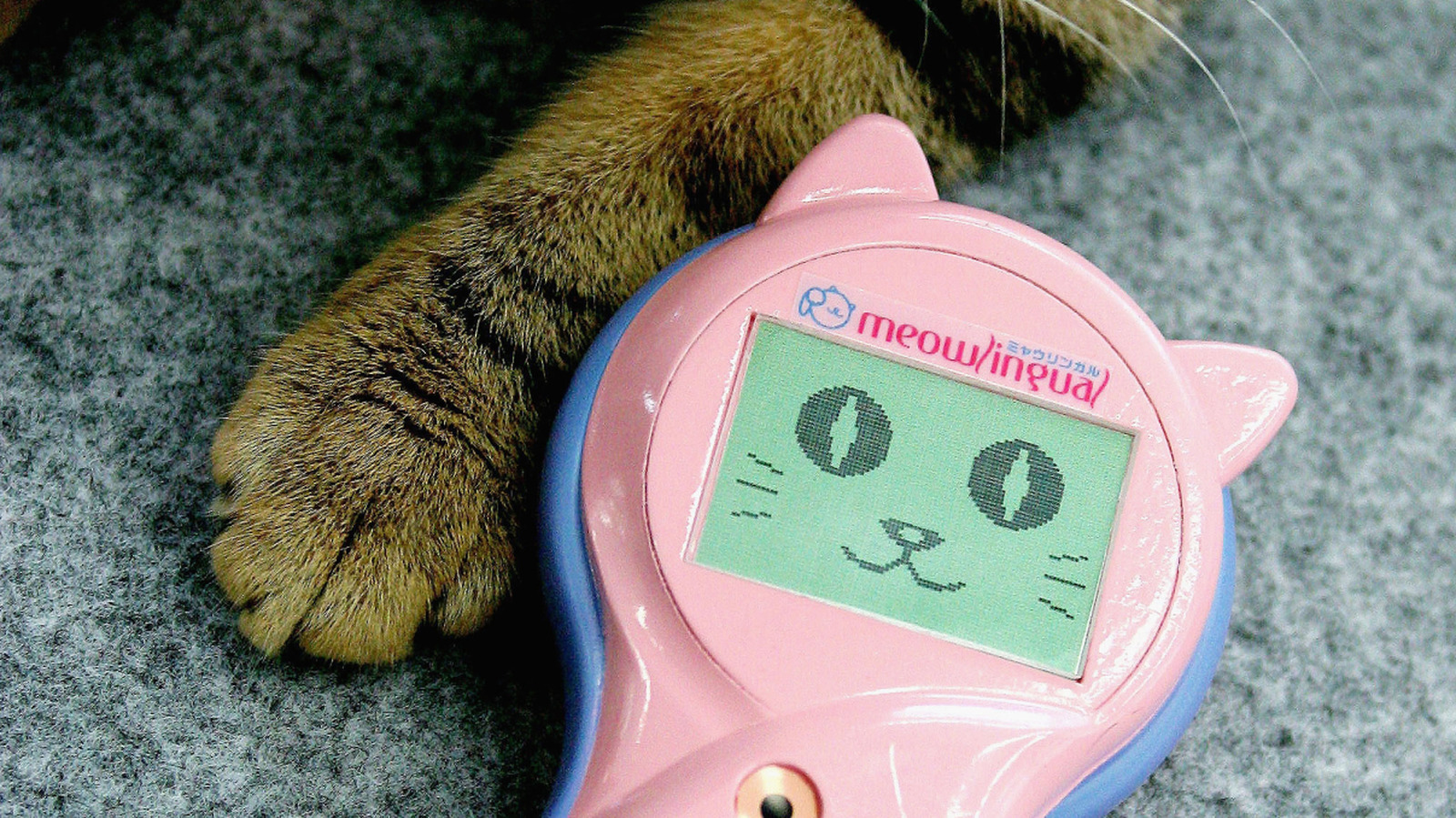
Meowlingual
This handheld device claimed to translate cat sounds into human phrases. However, its questionable accuracy and impracticality limited its appeal among pet owners.
Air Purifying Face Masks
During the COVID-19 pandemic, air-purifying face masks emerged as a trendy gadget, offering Bluetooth connectivity and speakers. However, their discomfort and impracticality during long wear led to their decline post-pandemic.
Enomad Uno
The Enomad Uno, a portable hydroelectric generator, aimed to charge devices using moving water. Its reliance on strong currents and high price point hindered its adoption among everyday campers.
LG StanbyME Go
This portable entertainment system included a touchscreen and speakers but faced difficulties in gaining popularity due to its weight and limited battery life.
Rollkers
Rollkers were designed to enhance walking speed with motorized assistance. However, their short battery life and slow development kept them from reaching the market.
CD-ROM Magazines
CD-ROM magazines were once a novel format for publishing digital content, offering interactive experiences. Their decline came with the rise of the internet, making physical discs obsolete.
Qoobo
Qoobo, a robotic pillow designed to provide comfort without the hassle of pet care, struggled to find a place in homes due to its unusual design. Despite its intentions, the quirky appearance made it less appealing to potential buyers.
Source: SlashGear News